METROPOLITAN SQUARE
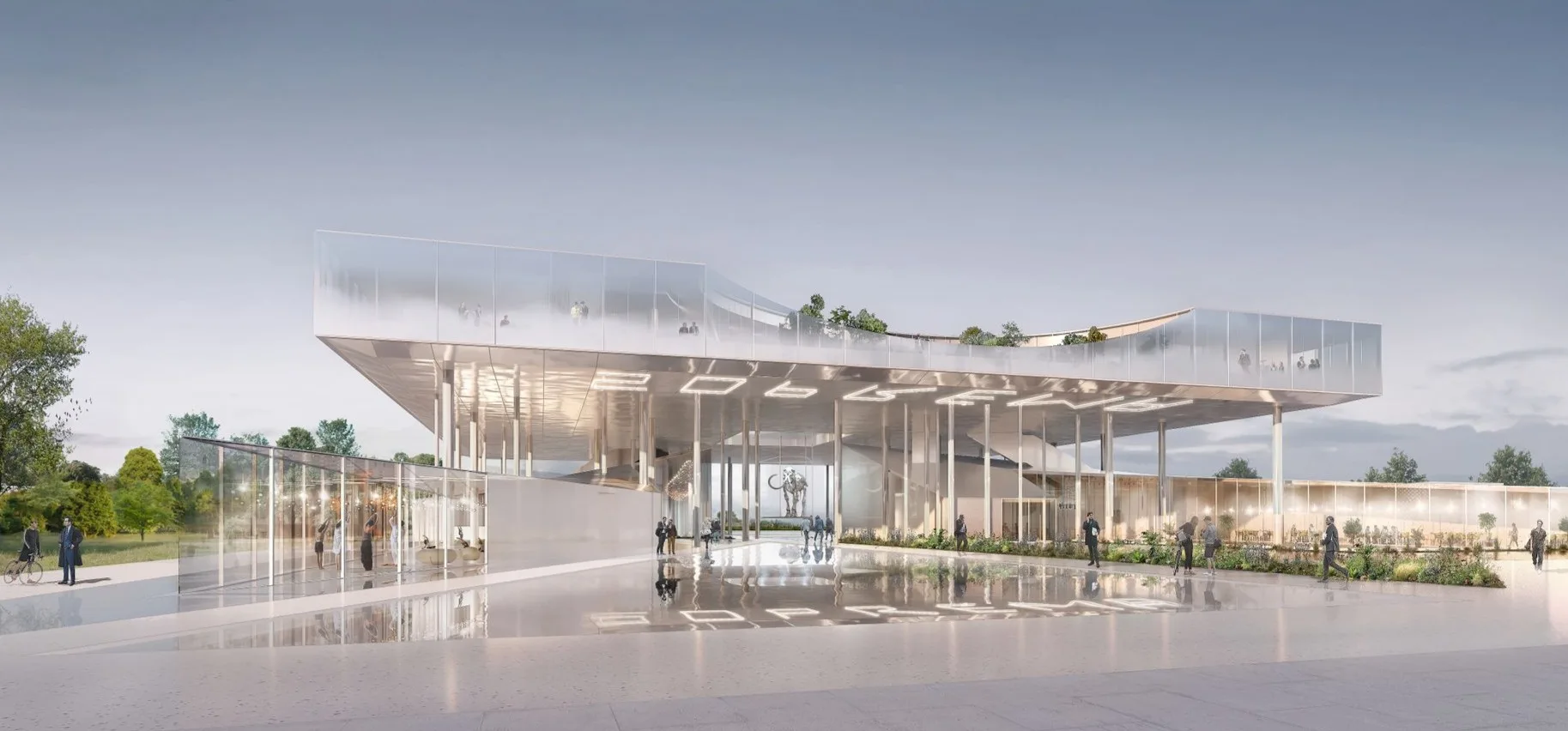
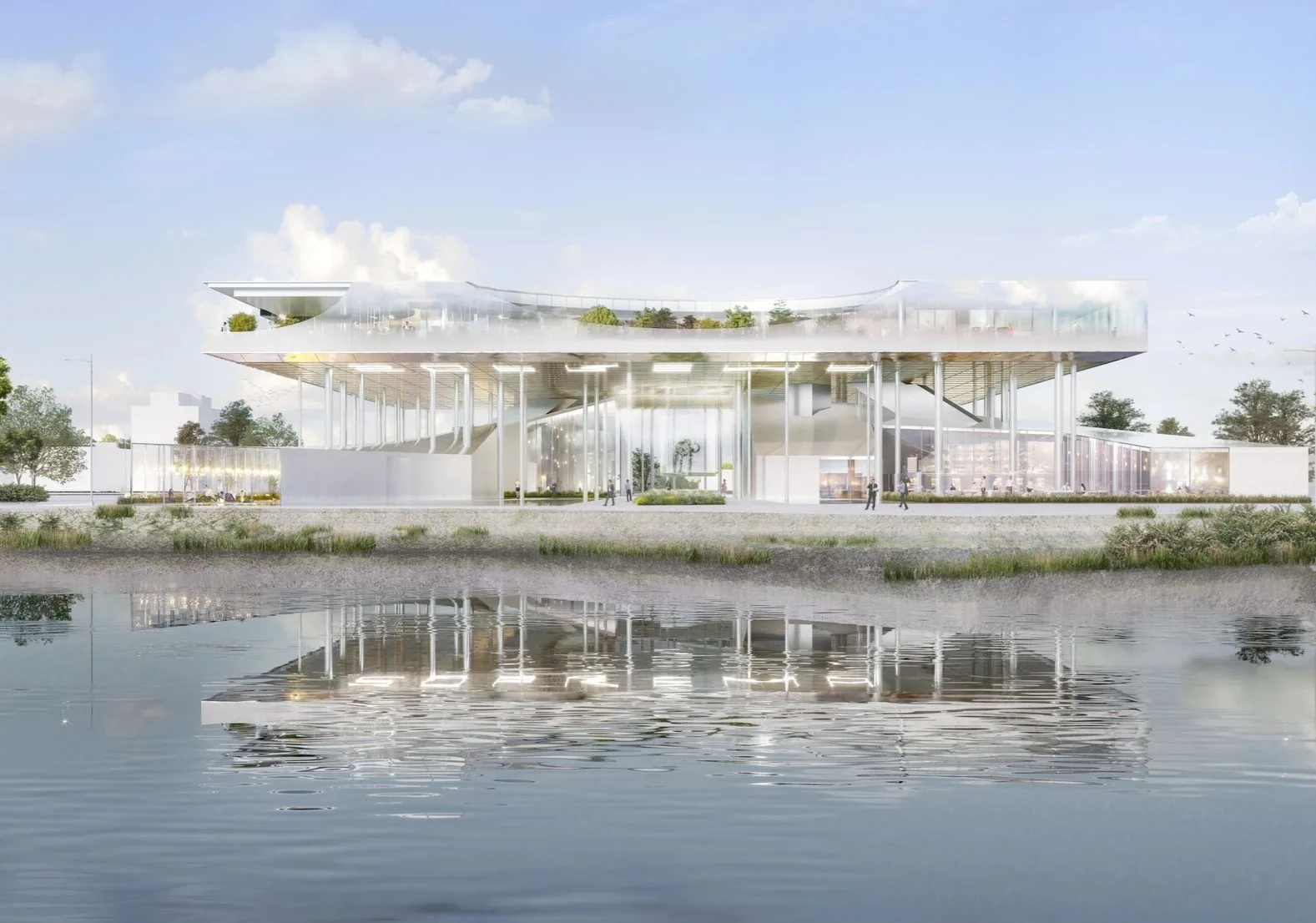
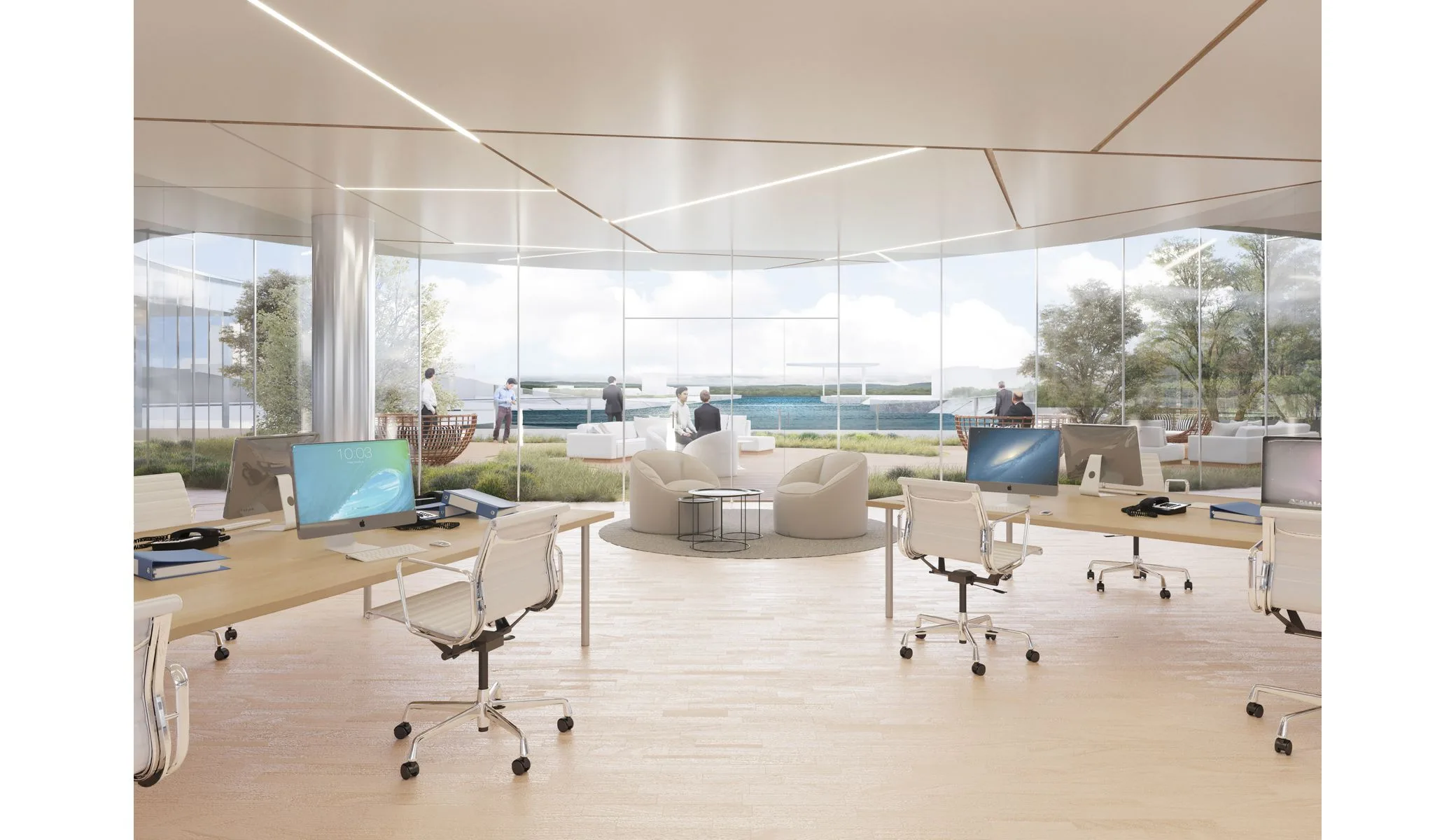
In contrast to the virtual and global dimension of the Euralille urban project, the suspended park of Metropolitan Square proposes a strong connection with the greater Lille landscape while creating a new viewpoint onto it. By gaining height in this way, the visual boundaries between urban and periurban areas, cemetery and Madeleine district, gradually fade away.
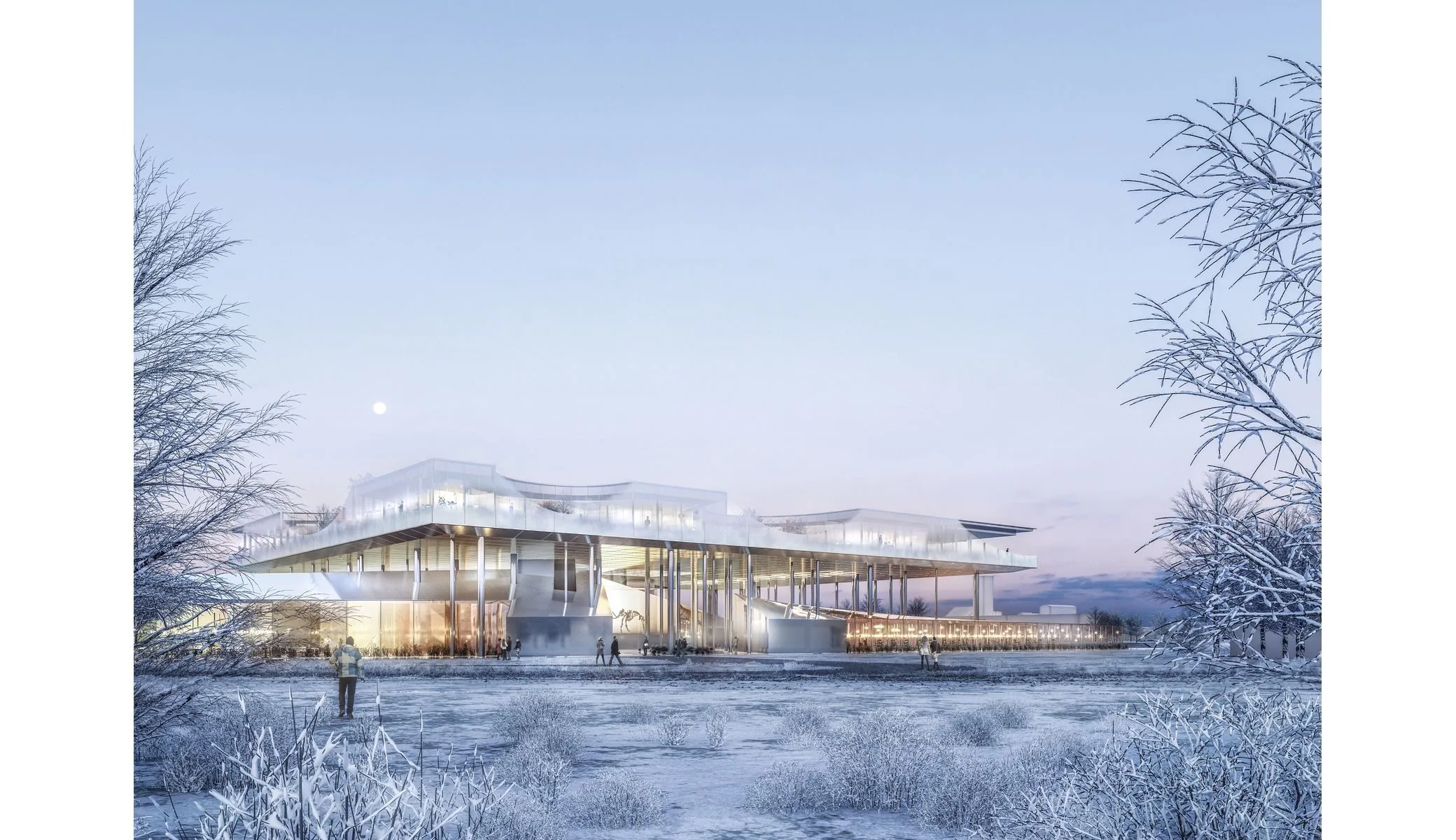
In Lille, faced with the vertical density of Euralille and the fragmentation of metropolitan green spaces, we proposed with Sou Fujimoto Architects a response that reverses the usual logic of urban ground. Metropolitan Square does not add another building to the skyline, it reinvents the very condition of the ground by projecting it at altitude. This simple gesture, moving the park toward the sky, opens unprecedented perspectives on the greater Lille landscape and reestablishes visual continuities that the contemporary city has fragmented.
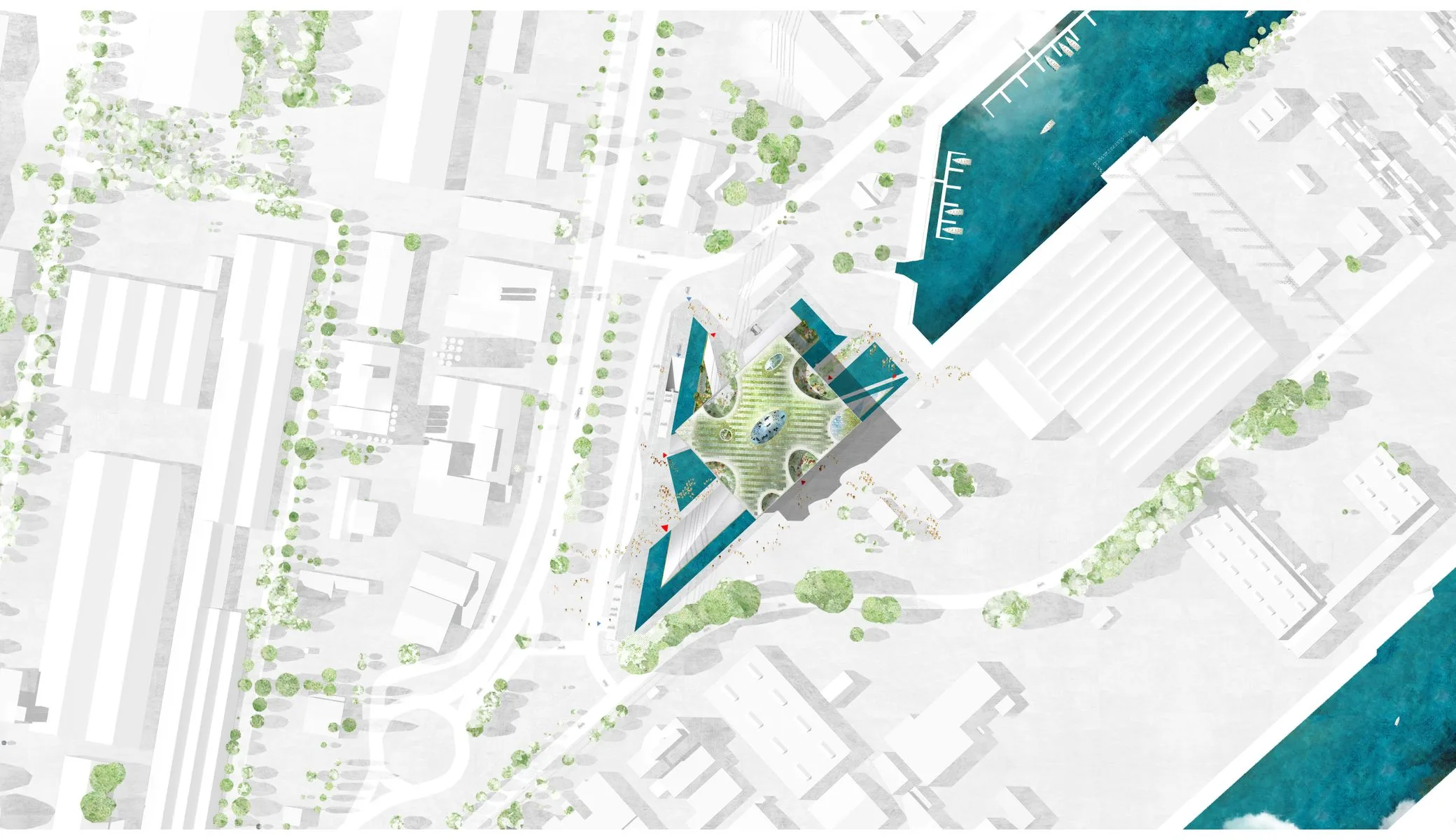
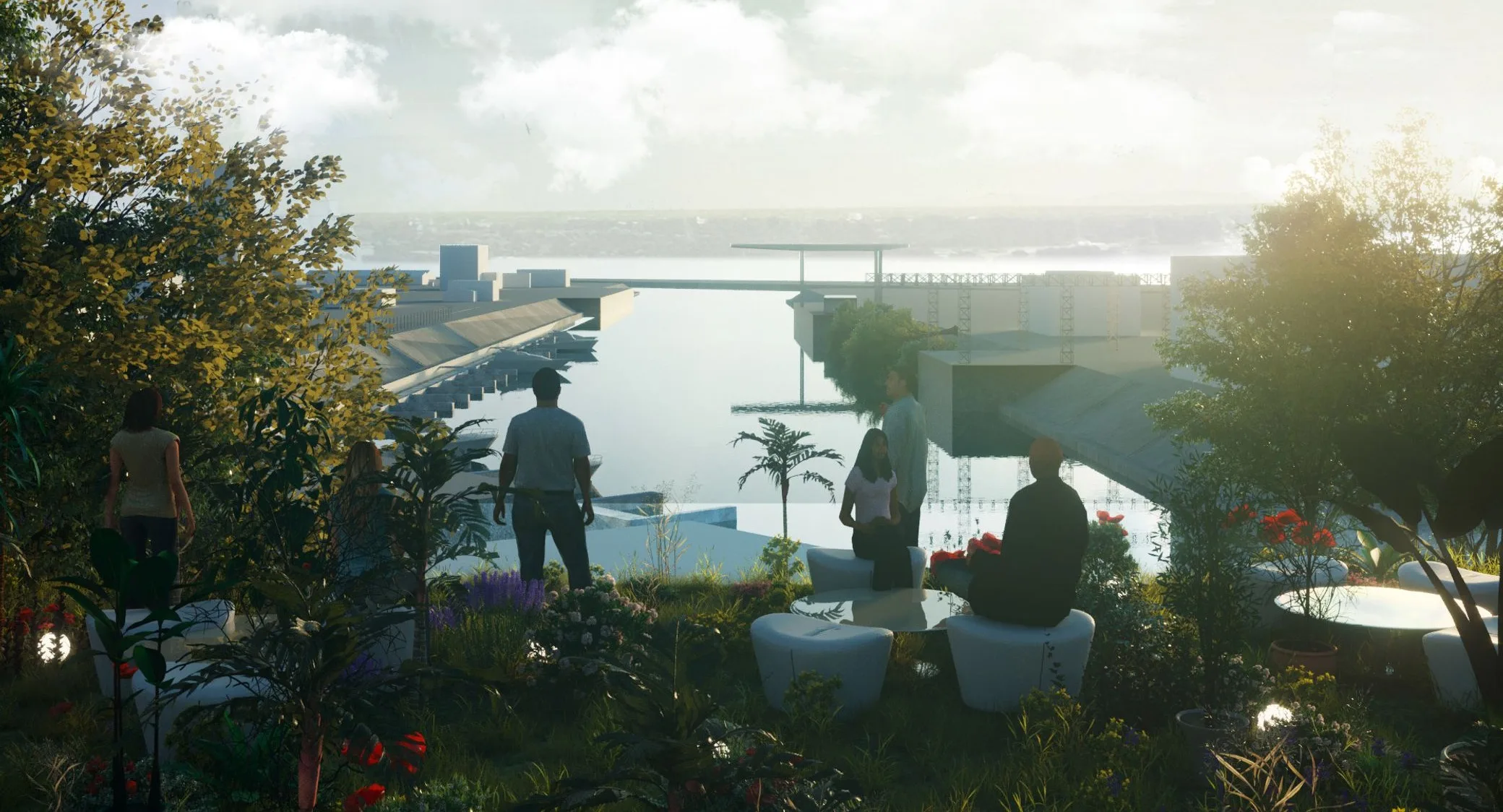
The project is located in a complex territory, at the edge of the Madeleine district and the vast Eastern Cemetery, not far from the Jardin des Géants and parc Matisse. These green spaces exist, but they remain isolated, without dialogue between them. The Lille metropolis suffers from one of the lowest ratios of green space per inhabitant in France. Rather than adding yet another fragment on the ground, we imagined a **suspended park**, a public belvedere that reveals the green belt in its entirety. From this altitude, the boundaries between urban and periurban areas fade, the cemetery becomes a garden again, the historic vistas are revealed. Metropolitan Square thus operates a **perceptual shift**, it offers a new reading of the territory by allowing everyone to gain height, literally and symbolically.
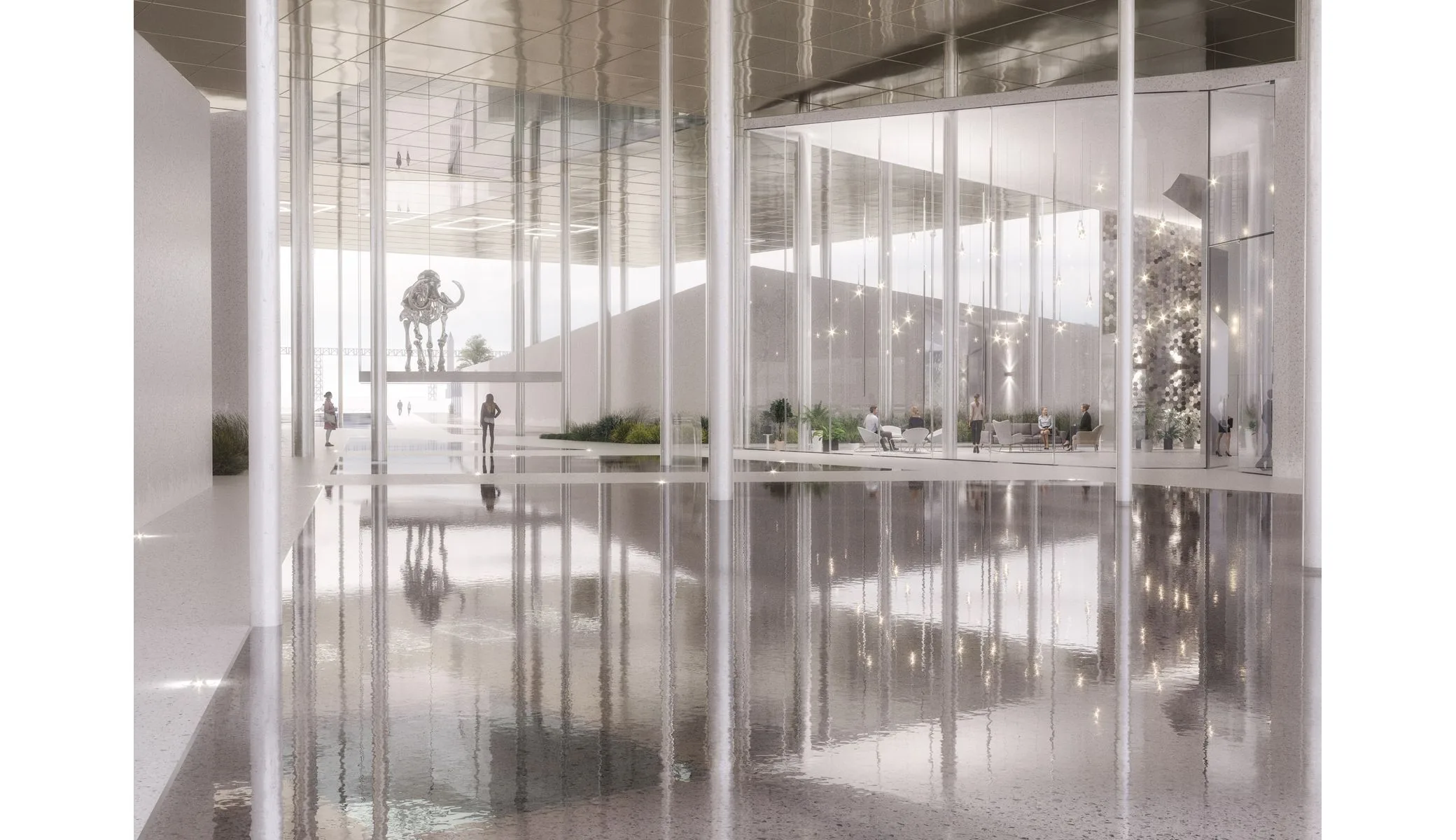
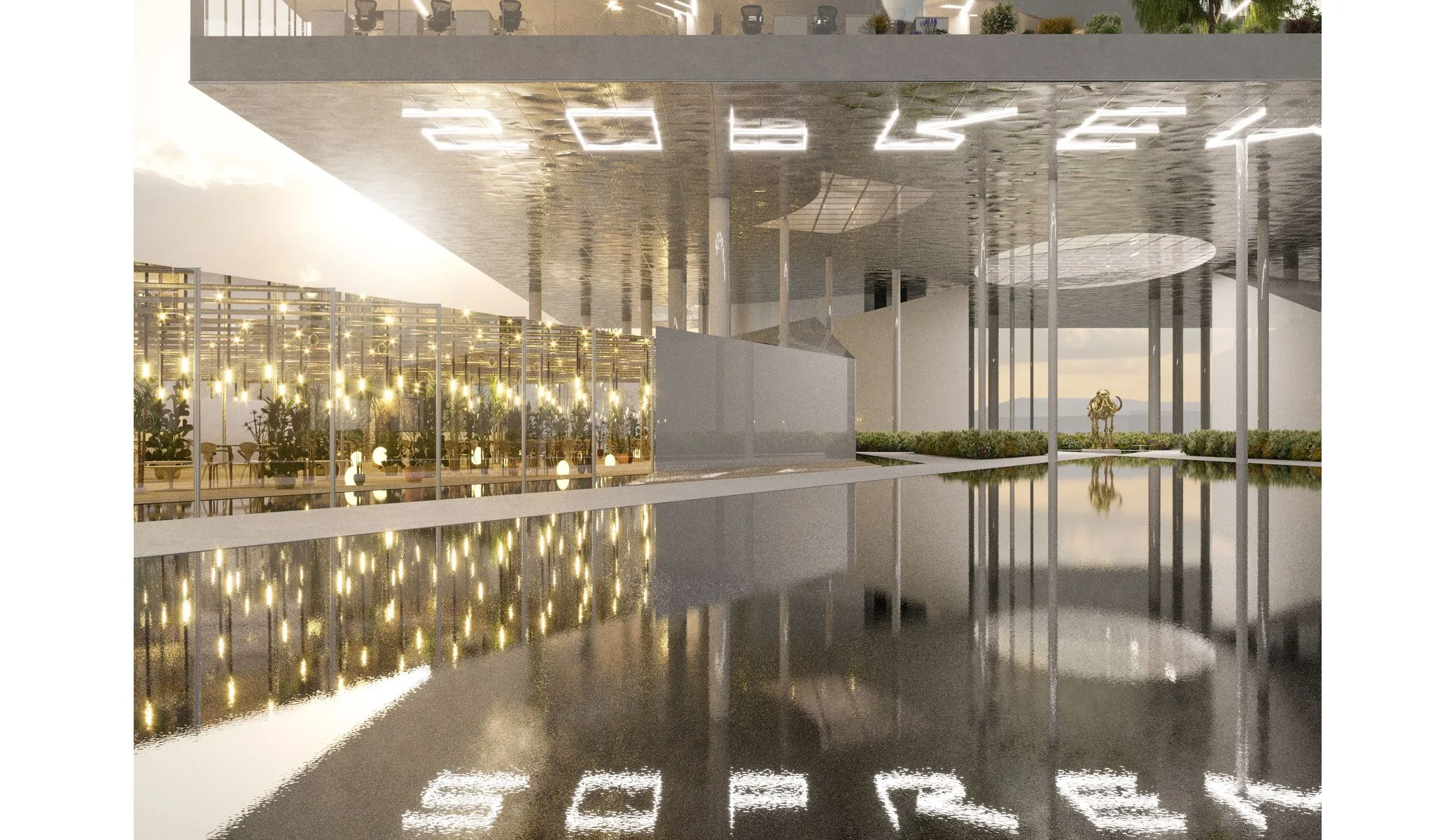
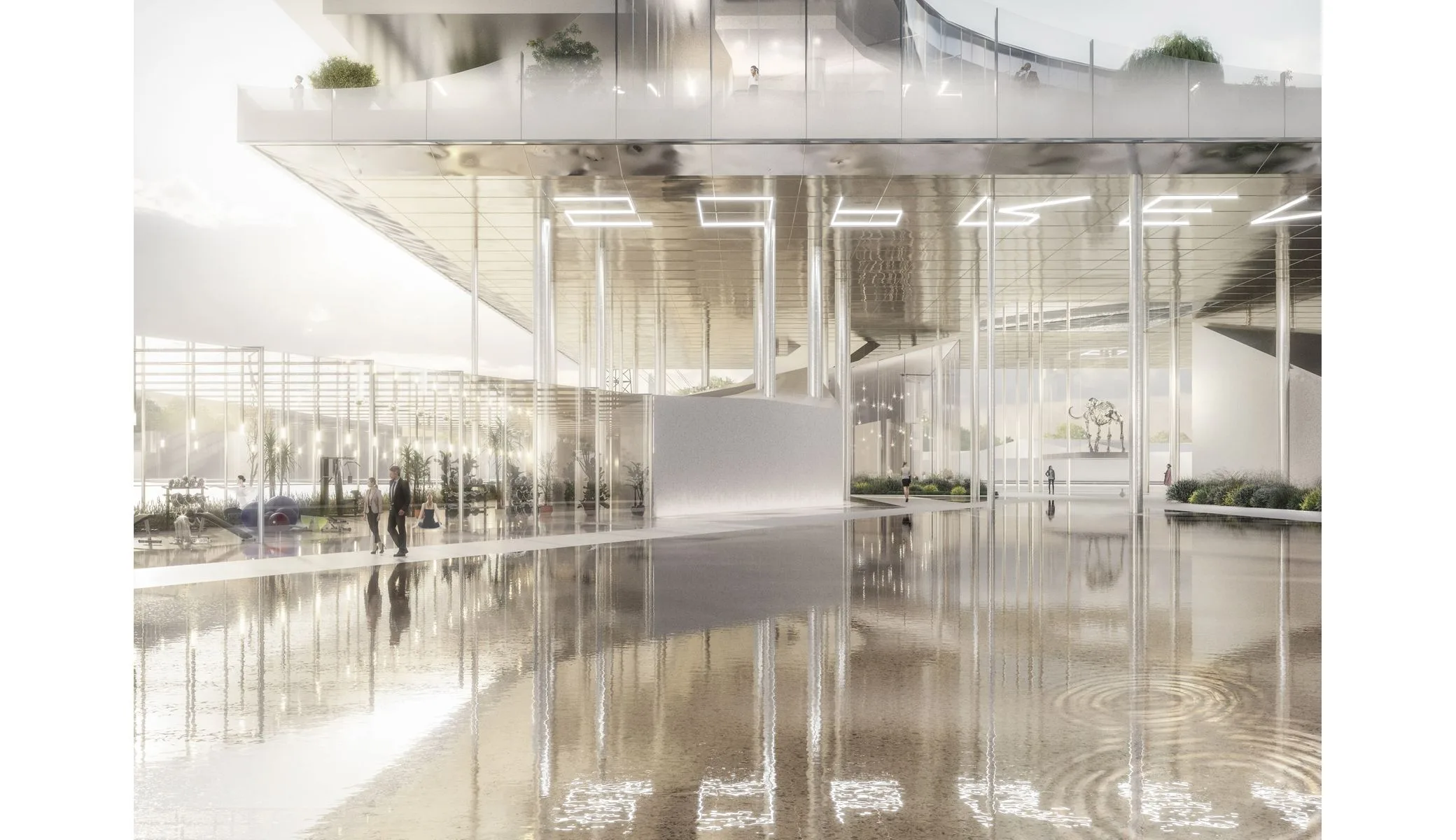
The program is of rare density: 87,000 m² mixing housing, offices, hotel, retail and restaurants. This mix could produce an opaque building, closed in on itself. We made the opposite choice. The project is organized into distinct blocks, articulated around **wide traversing passages** that are not simple circulation routes, but true urban windows. These openings allow the gaze to circulate freely, from one side of the built fabric to the other, creating surprising perspectives toward the Parvis des Nuages or parc Matisse. They establish a **visual and physical porosity**, refusing any enclosure, any privatization of space. Metropolitan Square becomes a place of passage as much as a place to stay, a fragment of generous urbanity where residents, workers and visitors cross paths without constraint.
What distinguishes the project is the **artificial topography** it deploys on the roof. With Sou Fujimoto, we worked on the idea of a constructed landscape, an inhabited ground that does not imitate nature but invents a new geography. This suspended park is not a pleasure garden placed on a slab, it is a **continuous tree-lined promenade**, accessible to all, that undulates, rises and falls, creating belvederes, shaded areas, play and relaxation spaces. This topography becomes the fifth block of the project, the most generous, the one that produces no sellable square meters but offers a rare collective use in the heart of the metropolis.
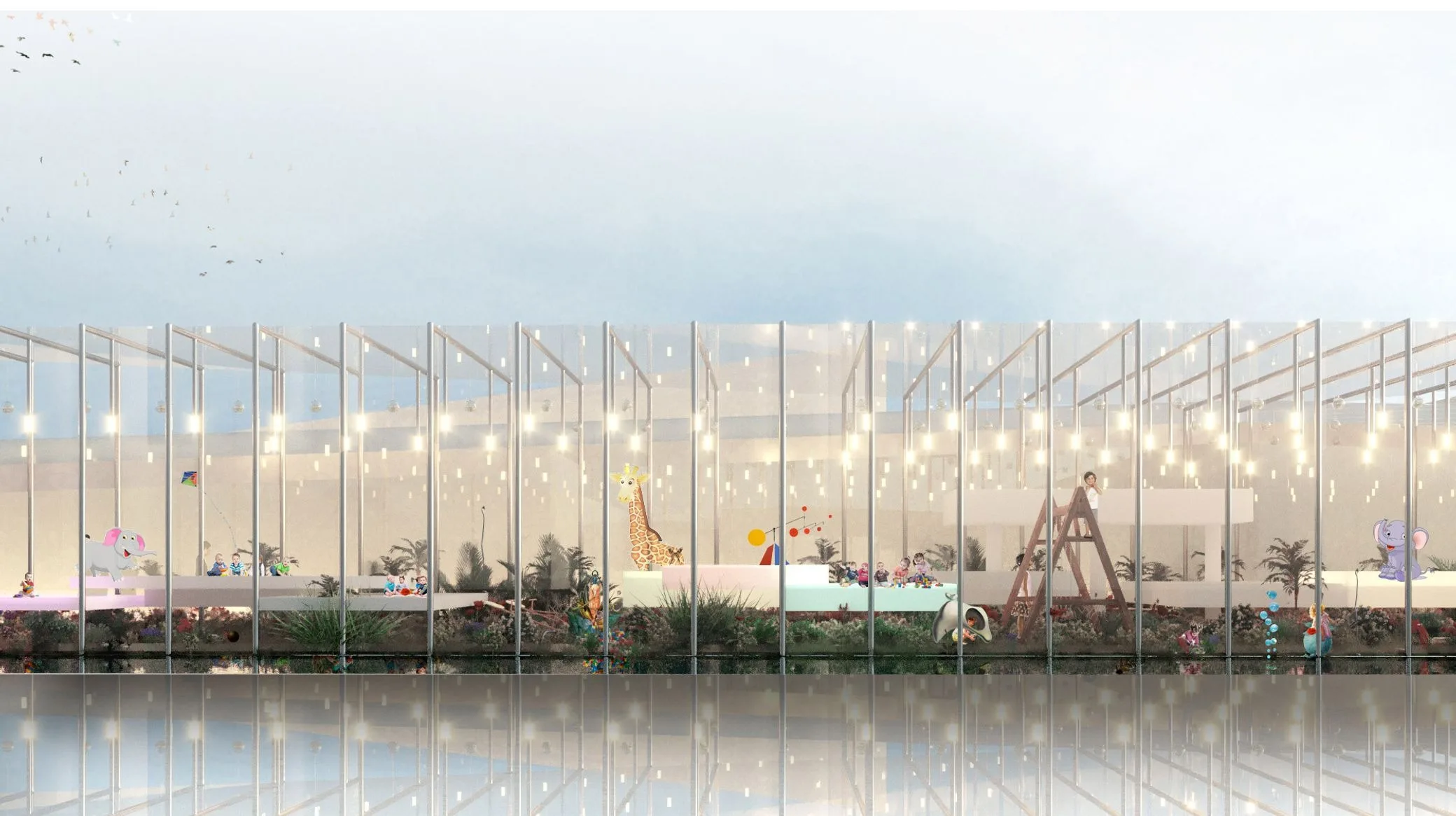
The materiality of the project reflects this dual ambition: density and lightness. The bases accommodating retail and services are treated with transparency, wide glazing and light materials, to maintain the relationship with the urban ground. The upper floors, housing and offices, adopt a more sober expression, rhythmic facades, continuous balconies that extend the interior space outward. We sought an **elegant neutrality**, far from iconic gestures, an architecture that knows how to fade away to let emptiness, view, light exist. The true material of the project is the rediscovered horizon.
On the environmental level, the suspended park is not a communication artifice. It actively participates in **urban cooling**, offers a biodiversity reservoir at altitude, captures rainwater to irrigate vegetation in a short circuit. We designed this topography as a semi-autonomous ecosystem, where plant species are chosen for their resilience and their capacity to structure a living environment, not merely decorative. The wide passages at ground level ensure natural cross-ventilation, limiting summer overheating. The programmatic mix reduces commuting, shares infrastructures. The project does not seek isolated technical performance, it aims for **global coherence** between use, climate and territory.
What drives us in this project is the idea that metropolitan architecture can still produce generosity. Metropolitan Square does not withdraw into its future inhabitants or users, it addresses all Lille residents. This suspended park requires no badge, no key. It extends the urban promenade, creates a new meeting place, an unprecedented viewpoint on a city that deserves to be seen differently. In collaborating with Sou Fujimoto, we shared this conviction that architecture must know how to fade away before the essential: the sky, the distance, the possibility of an encounter. The competition did not succeed, but the gesture remains, that of an urbanism that does not densify without offering in return an expanded horizon.
The project is located in a complex territory, at the edge of the Madeleine district and the vast Eastern Cemetery, not far from the Jardin des Géants and parc Matisse. These green spaces exist, but they remain isolated, without dialogue between them. The Lille metropolis suffers from one of the lowest ratios of green space per inhabitant in France. Rather than adding yet another fragment on the ground, we imagined a **suspended park**, a public belvedere that reveals the green belt in its entirety. From this altitude, the boundaries between urban and periurban areas fade, the cemetery becomes a garden again, the historic vistas are revealed. Metropolitan Square thus operates a **perceptual shift**, it offers a new reading of the territory by allowing everyone to gain height, literally and symbolically.
The program is of rare density: 87,000 m² mixing housing, offices, hotel, retail and restaurants. This mix could produce an opaque building, closed in on itself. We made the opposite choice. The project is organized into distinct blocks, articulated around **wide traversing passages** that are not simple circulation routes, but true urban windows. These openings allow the gaze to circulate freely, from one side of the built fabric to the other, creating surprising perspectives toward the Parvis des Nuages or parc Matisse. They establish a **visual and physical porosity**, refusing any enclosure, any privatization of space. Metropolitan Square becomes a place of passage as much as a place to stay, a fragment of generous urbanity where residents, workers and visitors cross paths without constraint.
What distinguishes the project is the **artificial topography** it deploys on the roof. With Sou Fujimoto, we worked on the idea of a constructed landscape, an inhabited ground that does not imitate nature but invents a new geography. This suspended park is not a pleasure garden placed on a slab, it is a **continuous tree-lined promenade**, accessible to all, that undulates, rises and falls, creating belvederes, shaded areas, play and relaxation spaces. This topography becomes the fifth block of the project, the most generous, the one that produces no sellable square meters but offers a rare collective use in the heart of the metropolis.
The materiality of the project reflects this dual ambition: density and lightness. The bases accommodating retail and services are treated with transparency, wide glazing and light materials, to maintain the relationship with the urban ground. The upper floors, housing and offices, adopt a more sober expression, rhythmic facades, continuous balconies that extend the interior space outward. We sought an **elegant neutrality**, far from iconic gestures, an architecture that knows how to fade away to let emptiness, view, light exist. The true material of the project is the rediscovered horizon.
On the environmental level, the suspended park is not a communication artifice. It actively participates in **urban cooling**, offers a biodiversity reservoir at altitude, captures rainwater to irrigate vegetation in a short circuit. We designed this topography as a semi-autonomous ecosystem, where plant species are chosen for their resilience and their capacity to structure a living environment, not merely decorative. The wide passages at ground level ensure natural cross-ventilation, limiting summer overheating. The programmatic mix reduces commuting, shares infrastructures. The project does not seek isolated technical performance, it aims for **global coherence** between use, climate and territory.
What drives us in this project is the idea that metropolitan architecture can still produce generosity. Metropolitan Square does not withdraw into its future inhabitants or users, it addresses all Lille residents. This suspended park requires no badge, no key. It extends the urban promenade, creates a new meeting place, an unprecedented viewpoint on a city that deserves to be seen differently. In collaborating with Sou Fujimoto, we shared this conviction that architecture must know how to fade away before the essential: the sky, the distance, the possibility of an encounter. The competition did not succeed, but the gesture remains, that of an urbanism that does not densify without offering in return an expanded horizon.
- Lieu
- Strasbourg, France
- Nature
- Bureaux
- Surface
- 6 853
- Concours
- 2018
- MOA
- SOPREMA