
Wellcome
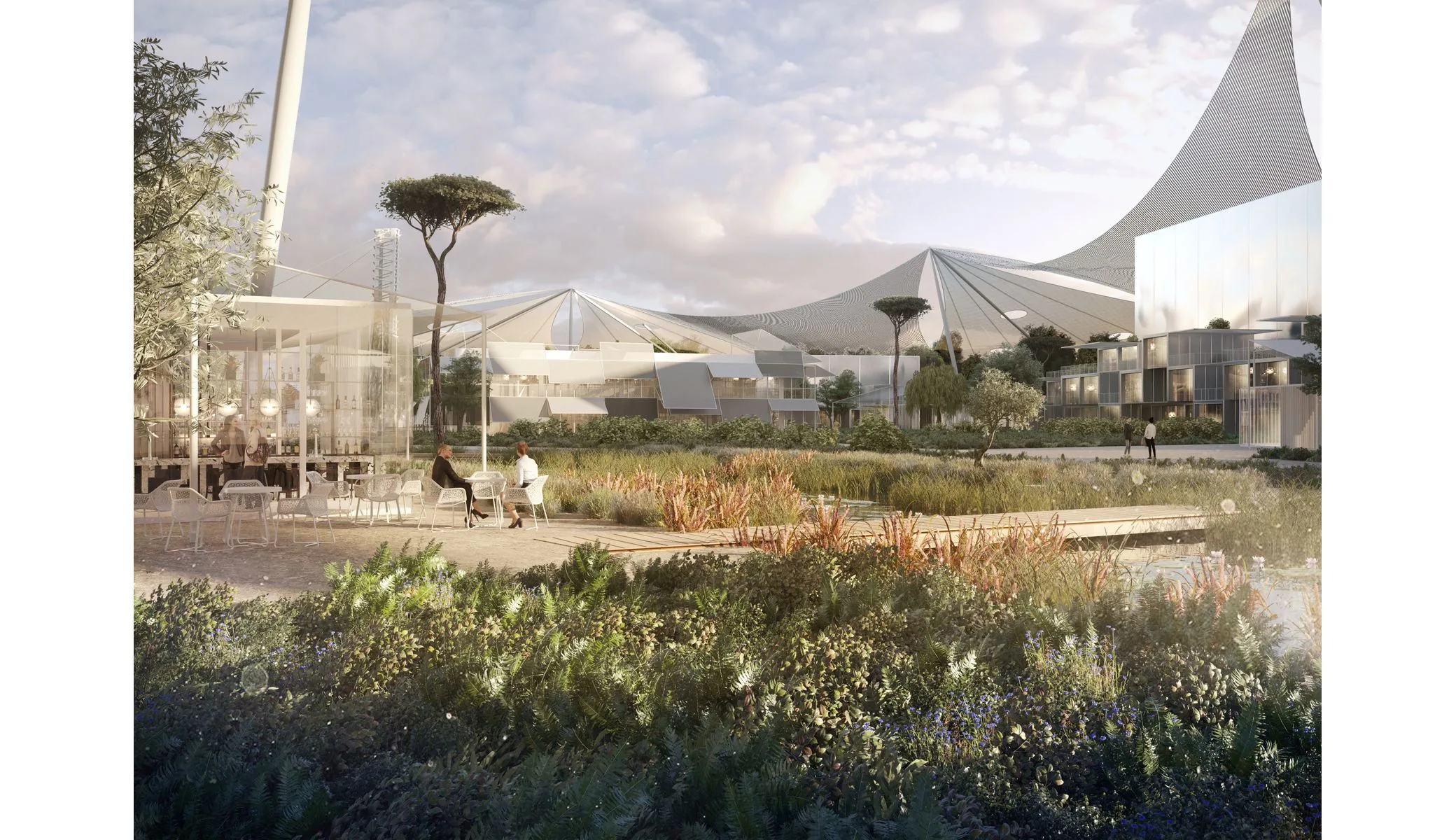
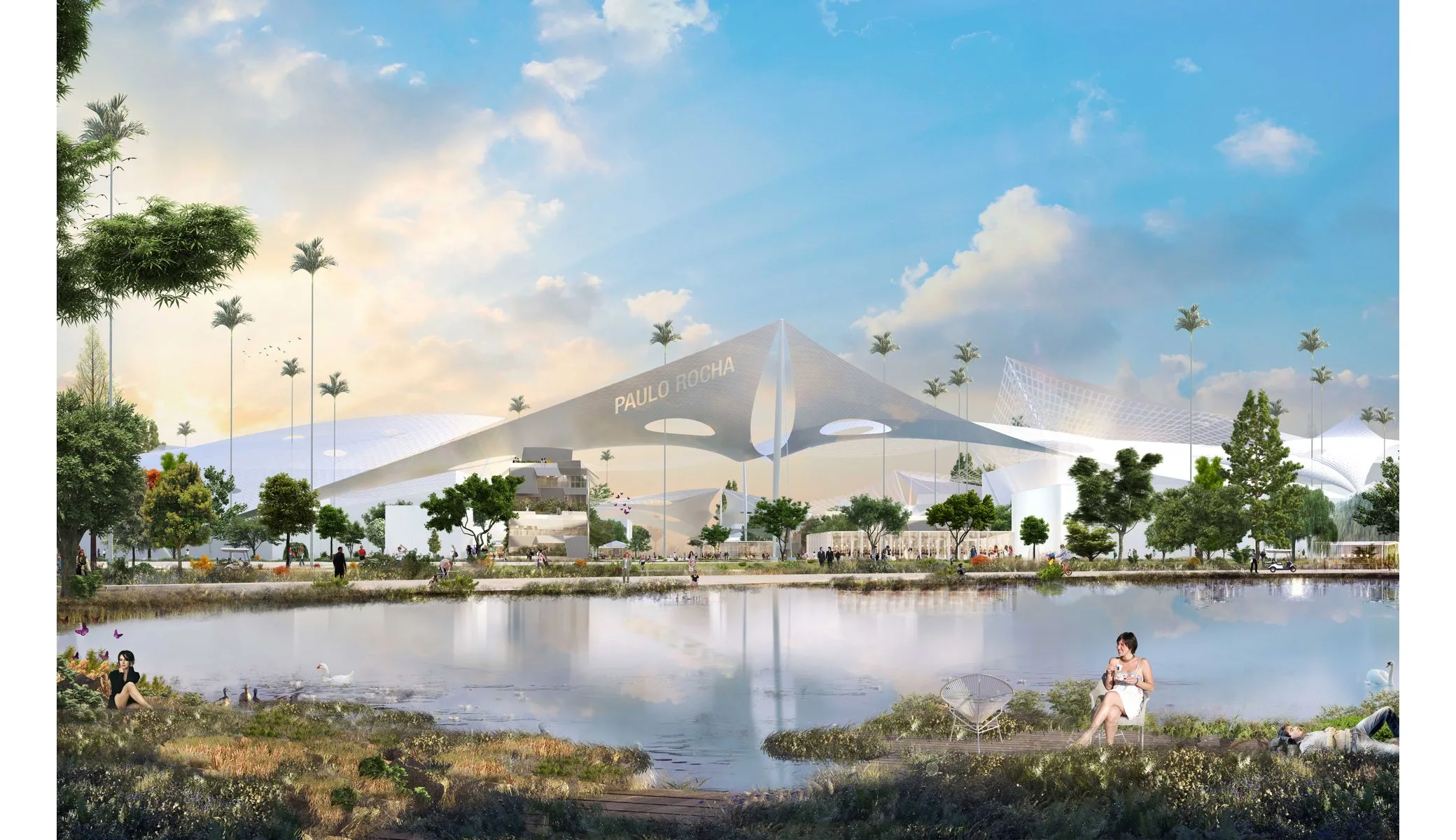
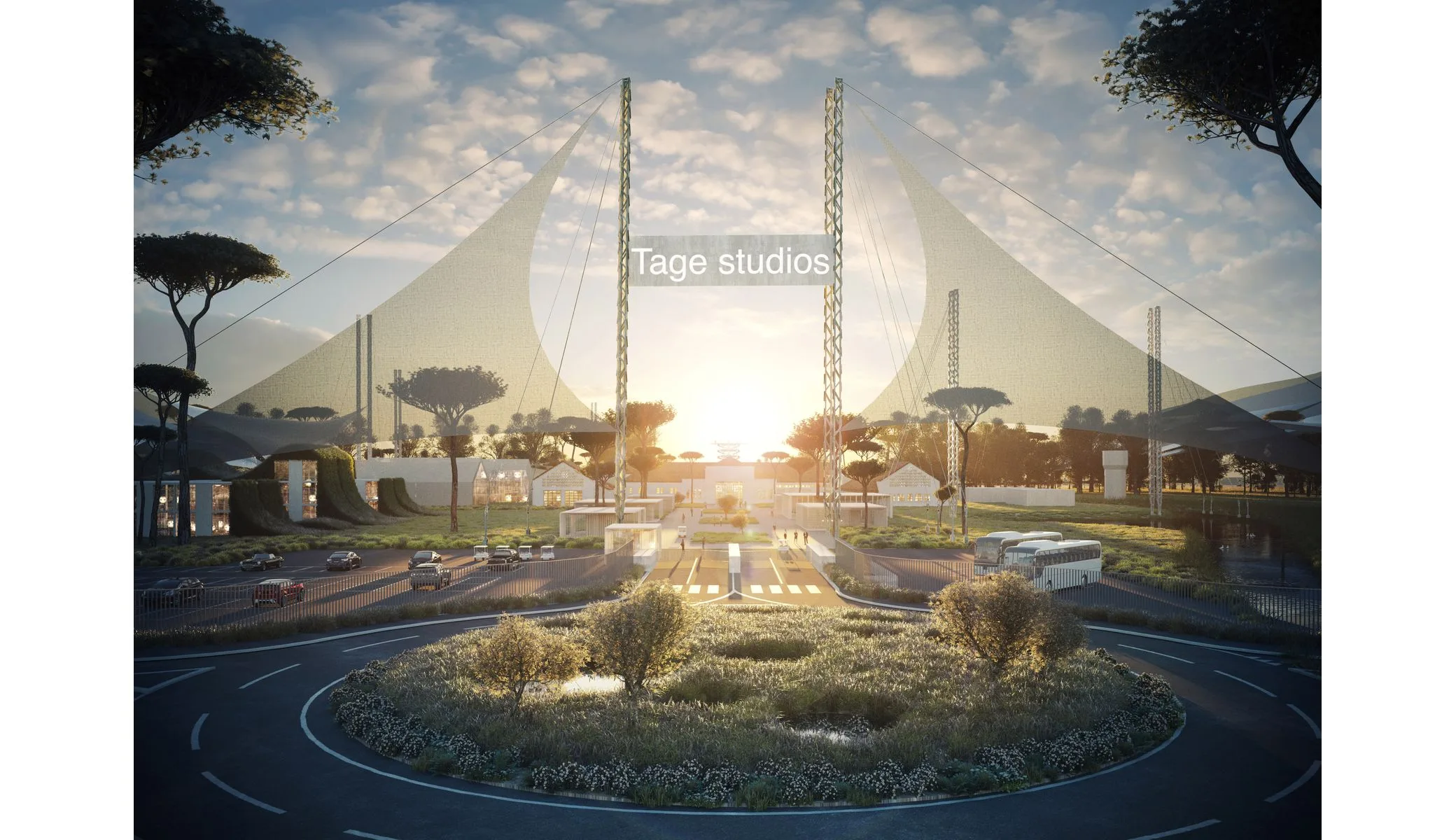
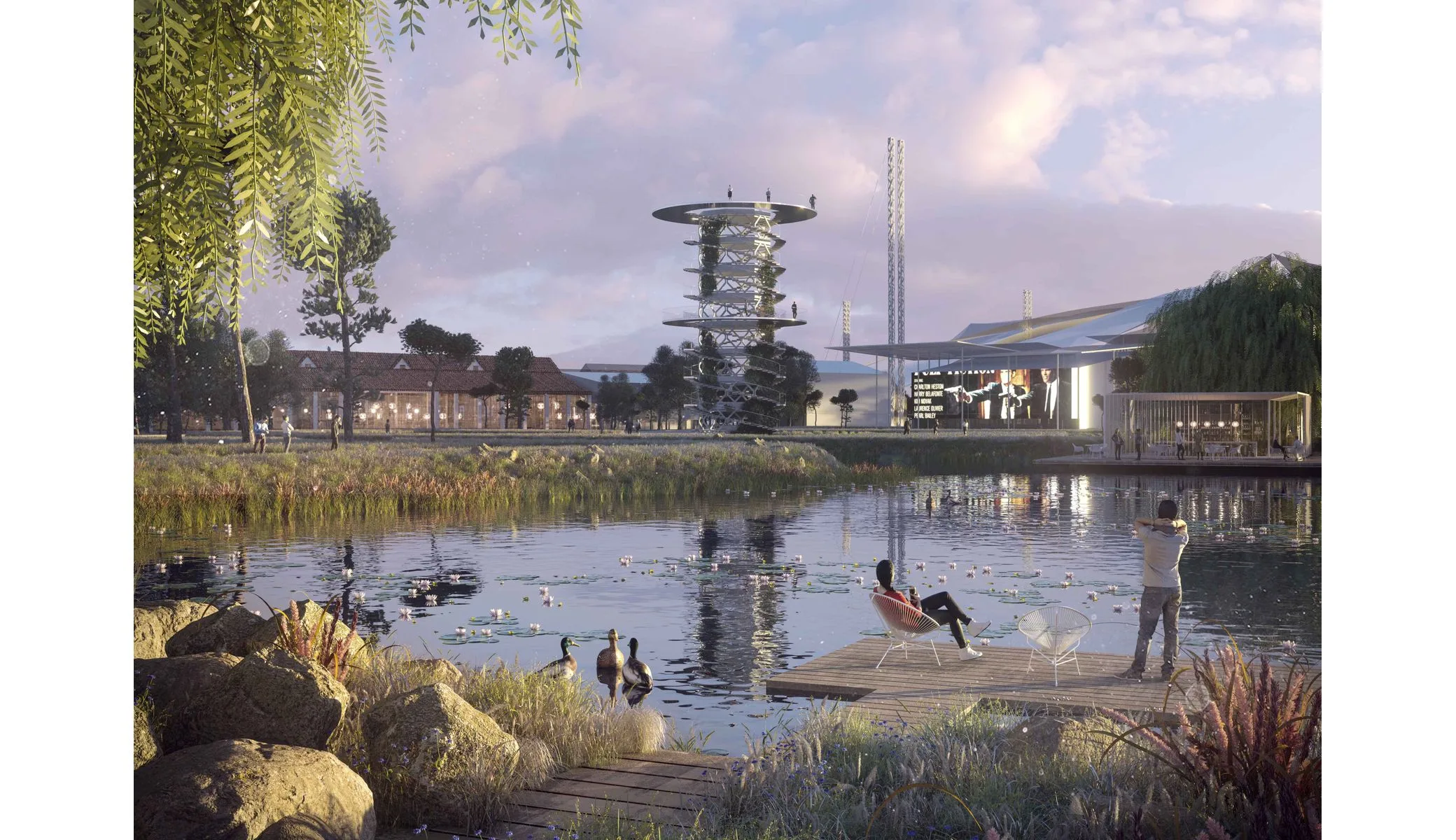
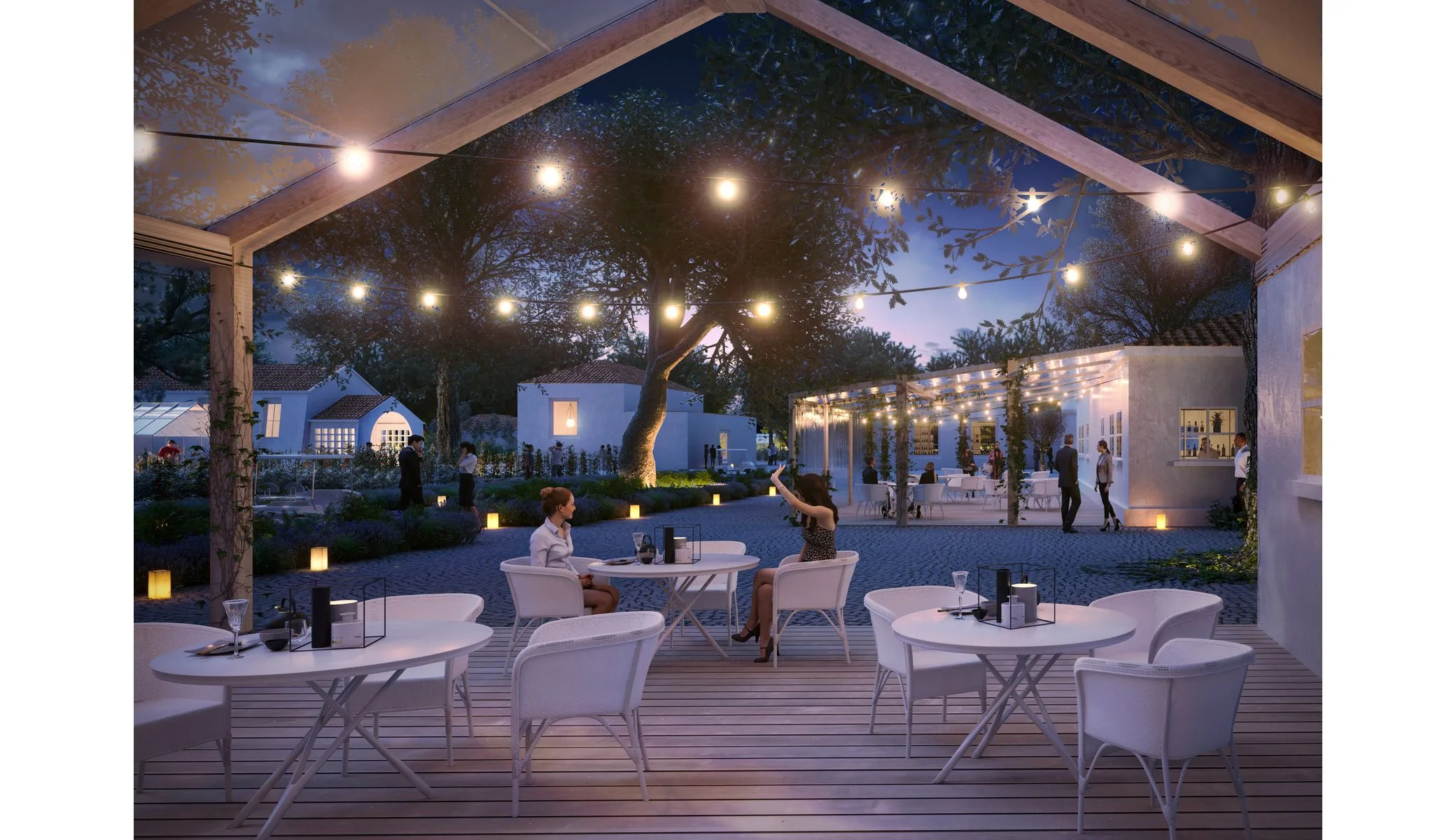
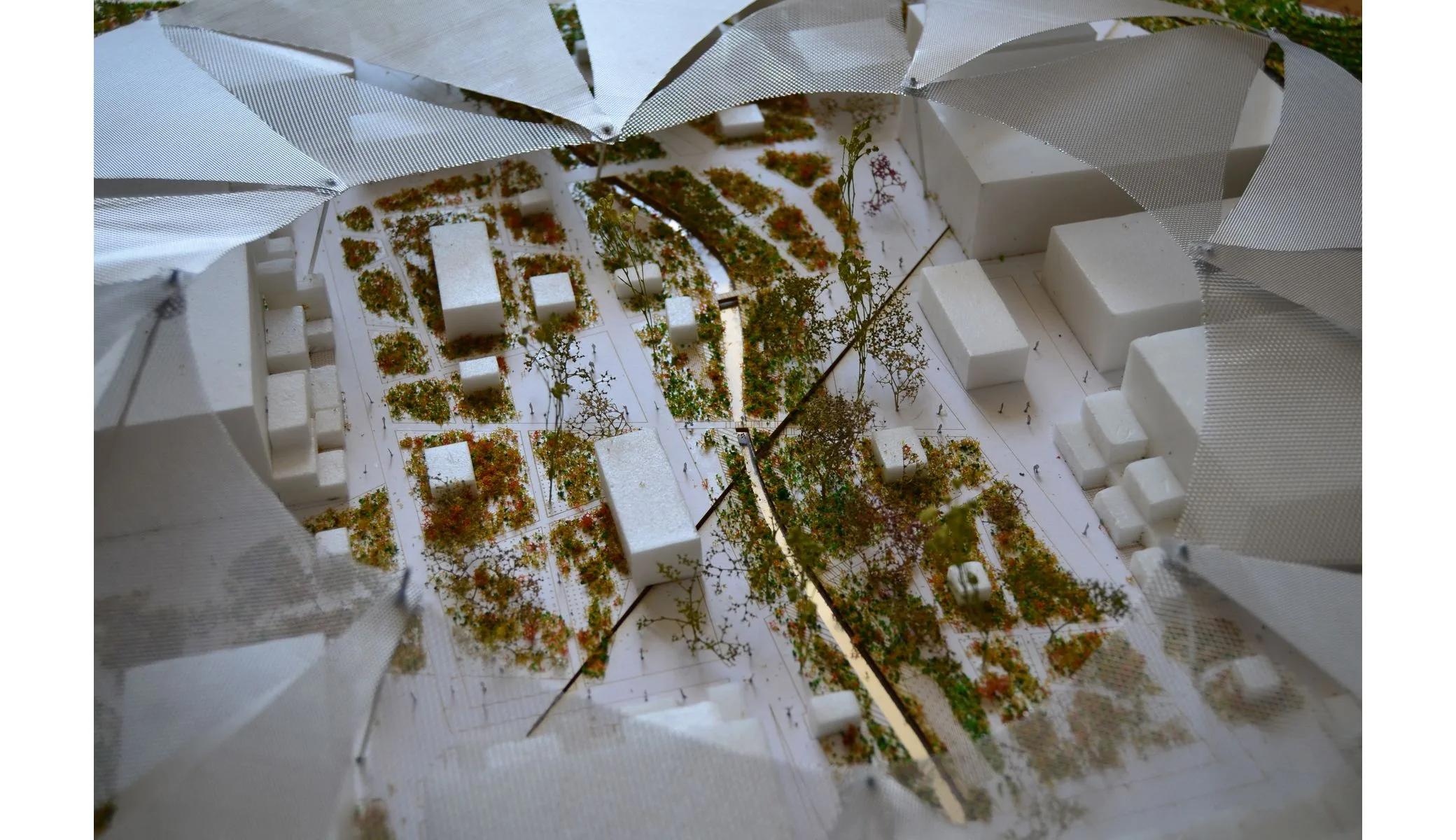
Our project offers a stroll through a hidden universe, an interior garden, an emotion of the fleeting moment. Nature, at the center of the project, is the positive counterpoint to the densification of the block where the emotion of the seasons and the awareness of passing time are expressed.
We imagined Wellcome as a vegetal parenthesis in the heart of Paris, an office project that reverses the usual priorities of urban densification. Rather than maximizing the built footprint, we placed **nature at the center of the architectural scheme**, creating a generous interior garden that structures the entire block. This competition for Bouygues Immobilier, developed in 2016, involved 8,920 m² of offices on rue du Colisée, in a constrained Haussmannian context where every square meter counts. Our response was to consider emptiness as a value, the garden as a program in its own right.
The site presented the typical characteristics of blocks in the 8th arrondissement, with homogeneous volumes, narrow courtyards and rare intimacy. We wanted to preserve this quality while transforming it into a collective asset. **The interior garden becomes the true reception hall of the project**, a space where awareness of passing time is expressed through the seasons, changing light, the growth of vegetation. This temporality offers a precious counterpoint to the acceleration of contemporary work, a necessary breathing space in Parisian density.
The architecture we propose on rue du Colisée follows the continuity of existing facades, without mimicry or brutal rupture. We sought a **respectful dialogue with the Haussmannian fabric**, taking up its rhythms and moldings while asserting a sober contemporary writing. The windows offer intimacy to occupants, frame chosen views of the interior garden rather than party walls. This facade becomes a filter between the public space of the street and the protected universe of the block's heart, a threshold that prepares the transition toward nature.
The spatial device relies on a **progressive shift between the street and the garden**, a sequence of spaces that avoids the brutality of direct access. We designed generous reception areas, intermediate thresholds where one can stop, wait, meet. These spaces are not simple circulations, but places of informal socialization, zones of positive friction between the building's different users. Transparency plays a major role: from the street, one already senses the presence of the garden, the vegetal horizon that structures the whole.
The **materiality of the project favors legibility and sobriety**. We chose lasting materials, capable of aging with dignity in Parisian time: light stone for the bases, metal and glass for the upper parts, wood for interior spaces in contact with the garden. This restricted palette creates overall unity while allowing subtle variations according to orientations and uses. Details are designed to facilitate maintenance, anticipate future programmatic evolutions. An office building must be able to accommodate work modes we do not yet know.
The green heart of Wellcome is conceived as a true **landscape setting**, with vegetal diversity that evolves over the months. We worked on multiple strata: tall trees to create a protective canopy, shrubs and perennials to animate the seasons, ground covers that soften the boundaries between mineral and vegetal. This garden is not a fixed decor but a living ecosystem, a place where one can observe, settle, work differently. Inhabited terraces extend office floors toward the exterior, creating intermediate situations between inside and outside, between concentrated work and contemplative pause.
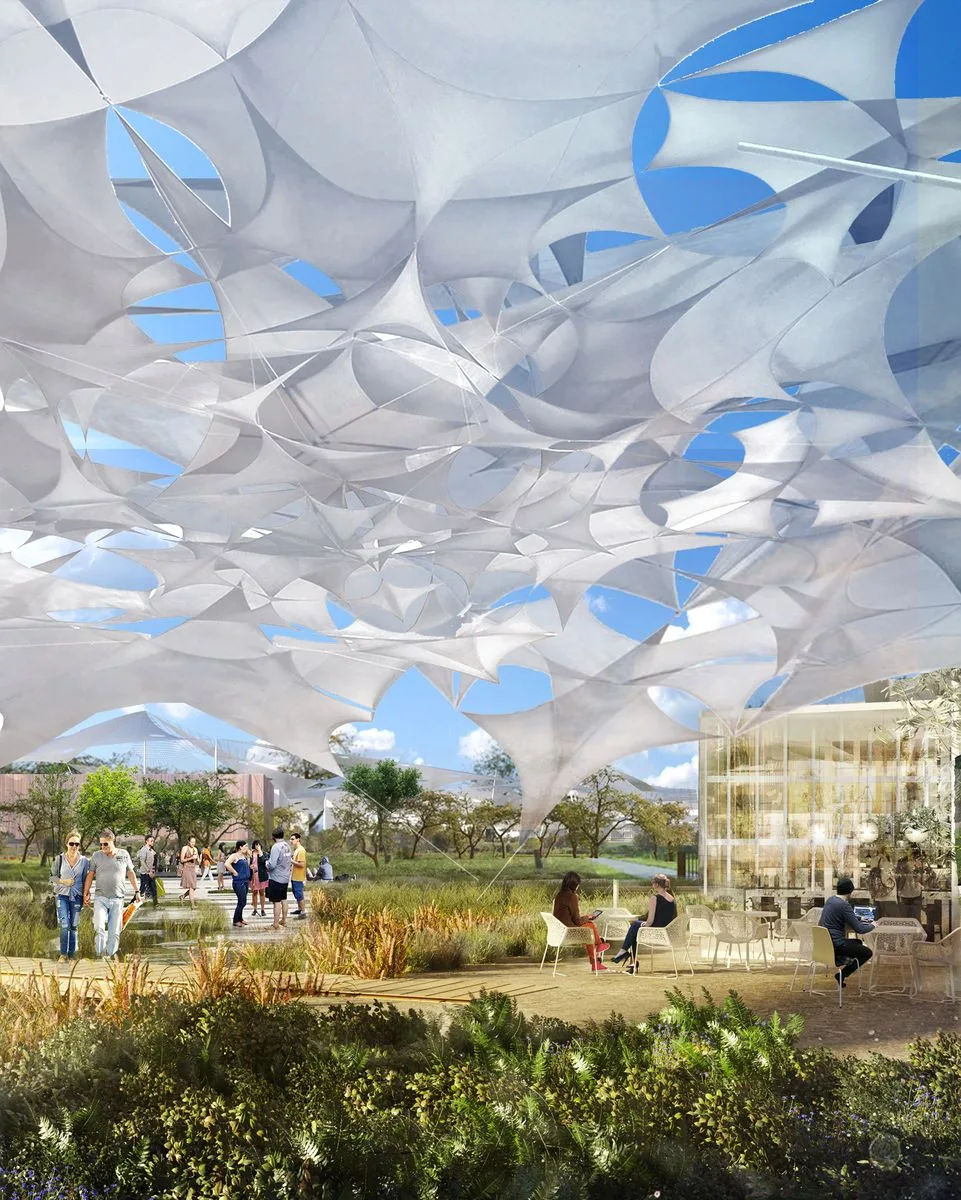
This spatial generosity responds to a **clear environmental ambition**: reduce urban heat islands, promote biodiversity in the city, offer breathing spaces that concretely improve users' quality of life. The interior garden naturally regulates temperatures, creates favorable microclimates, captures rainwater. The glazed facades benefit from vegetal solar protections that limit summer overheating without resorting to energy-consuming mechanical devices. We sought **passive solutions, inscribed in the very form of the building**, rather than technical compensations added afterward.
The office floors are designed to accommodate **hybrid work modes**, with maximum flexibility and particular attention to informal meeting spaces. We multiplied spatial situations: individual concentration spaces, small group collaboration zones, collective gathering places. All benefit from a visual or physical relationship with the central garden, creating continuity between interior and exterior. Vertical circulations are treated as generous places, glazed onto the garden, where one naturally encounters colleagues.
Wellcome carries a vision of the workplace as a **living space in its own right**, where well-being is not a supplementary soul but a structuring condition of the project. We do not believe in gimmicky relaxation spaces, but in an architecture that integrates nature, light, distant views as essential programmatic data. The interior garden is not a luxury but a necessity, a socialization place that transcends boundaries between companies to create a block community.
This project, although unrealized, crystallizes our research on **the inversion of urban values**: making emptiness a program, nature a structuring space, long time a resource. Wellcome proposed an alternative to systematic densification, a model where quality of use takes precedence over immediate profitability. In a saturated Parisian context, this generosity remains an urgency, a way to reinvent the office as a place of emancipation rather than constraint.
The site presented the typical characteristics of blocks in the 8th arrondissement, with homogeneous volumes, narrow courtyards and rare intimacy. We wanted to preserve this quality while transforming it into a collective asset. **The interior garden becomes the true reception hall of the project**, a space where awareness of passing time is expressed through the seasons, changing light, the growth of vegetation. This temporality offers a precious counterpoint to the acceleration of contemporary work, a necessary breathing space in Parisian density.
The architecture we propose on rue du Colisée follows the continuity of existing facades, without mimicry or brutal rupture. We sought a **respectful dialogue with the Haussmannian fabric**, taking up its rhythms and moldings while asserting a sober contemporary writing. The windows offer intimacy to occupants, frame chosen views of the interior garden rather than party walls. This facade becomes a filter between the public space of the street and the protected universe of the block's heart, a threshold that prepares the transition toward nature.
The spatial device relies on a **progressive shift between the street and the garden**, a sequence of spaces that avoids the brutality of direct access. We designed generous reception areas, intermediate thresholds where one can stop, wait, meet. These spaces are not simple circulations, but places of informal socialization, zones of positive friction between the building's different users. Transparency plays a major role: from the street, one already senses the presence of the garden, the vegetal horizon that structures the whole.
The **materiality of the project favors legibility and sobriety**. We chose lasting materials, capable of aging with dignity in Parisian time: light stone for the bases, metal and glass for the upper parts, wood for interior spaces in contact with the garden. This restricted palette creates overall unity while allowing subtle variations according to orientations and uses. Details are designed to facilitate maintenance, anticipate future programmatic evolutions. An office building must be able to accommodate work modes we do not yet know.
The green heart of Wellcome is conceived as a true **landscape setting**, with vegetal diversity that evolves over the months. We worked on multiple strata: tall trees to create a protective canopy, shrubs and perennials to animate the seasons, ground covers that soften the boundaries between mineral and vegetal. This garden is not a fixed decor but a living ecosystem, a place where one can observe, settle, work differently. Inhabited terraces extend office floors toward the exterior, creating intermediate situations between inside and outside, between concentrated work and contemplative pause.
This spatial generosity responds to a **clear environmental ambition**: reduce urban heat islands, promote biodiversity in the city, offer breathing spaces that concretely improve users' quality of life. The interior garden naturally regulates temperatures, creates favorable microclimates, captures rainwater. The glazed facades benefit from vegetal solar protections that limit summer overheating without resorting to energy-consuming mechanical devices. We sought **passive solutions, inscribed in the very form of the building**, rather than technical compensations added afterward.
The office floors are designed to accommodate **hybrid work modes**, with maximum flexibility and particular attention to informal meeting spaces. We multiplied spatial situations: individual concentration spaces, small group collaboration zones, collective gathering places. All benefit from a visual or physical relationship with the central garden, creating continuity between interior and exterior. Vertical circulations are treated as generous places, glazed onto the garden, where one naturally encounters colleagues.
Wellcome carries a vision of the workplace as a **living space in its own right**, where well-being is not a supplementary soul but a structuring condition of the project. We do not believe in gimmicky relaxation spaces, but in an architecture that integrates nature, light, distant views as essential programmatic data. The interior garden is not a luxury but a necessity, a socialization place that transcends boundaries between companies to create a block community.
This project, although unrealized, crystallizes our research on **the inversion of urban values**: making emptiness a program, nature a structuring space, long time a resource. Wellcome proposed an alternative to systematic densification, a model where quality of use takes precedence over immediate profitability. In a saturated Parisian context, this generosity remains an urgency, a way to reinvent the office as a place of emancipation rather than constraint.
- Lieu
- Confidentiel
- Nature
- Equipement culturel
- Surface
- 300 700 m2
- Budget
- 419 M
- Concours
- 2019
- MOA
- Confidentiel
- Co-architectes
- AR.X Arquitectos