
Cinema Studios
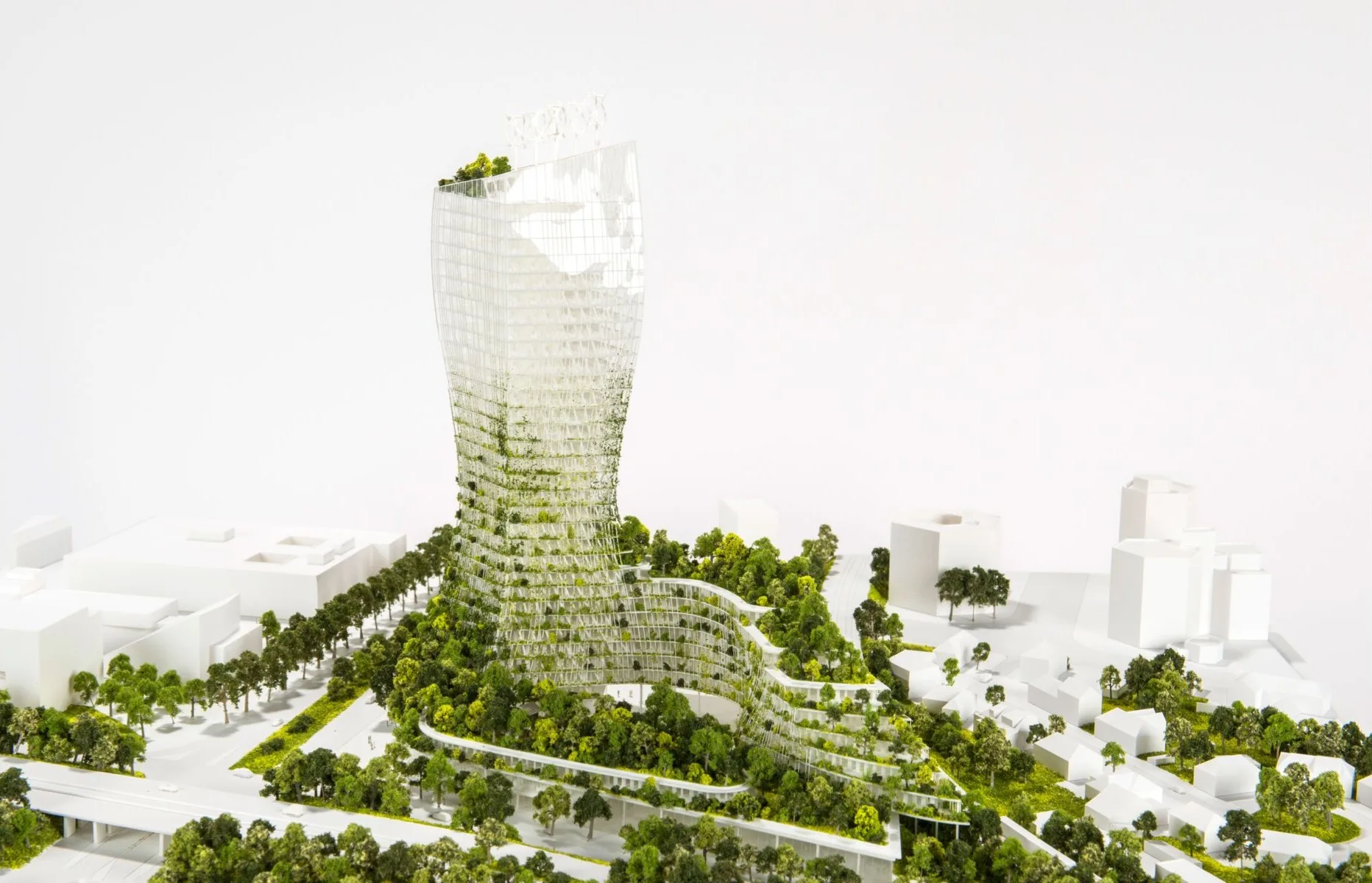
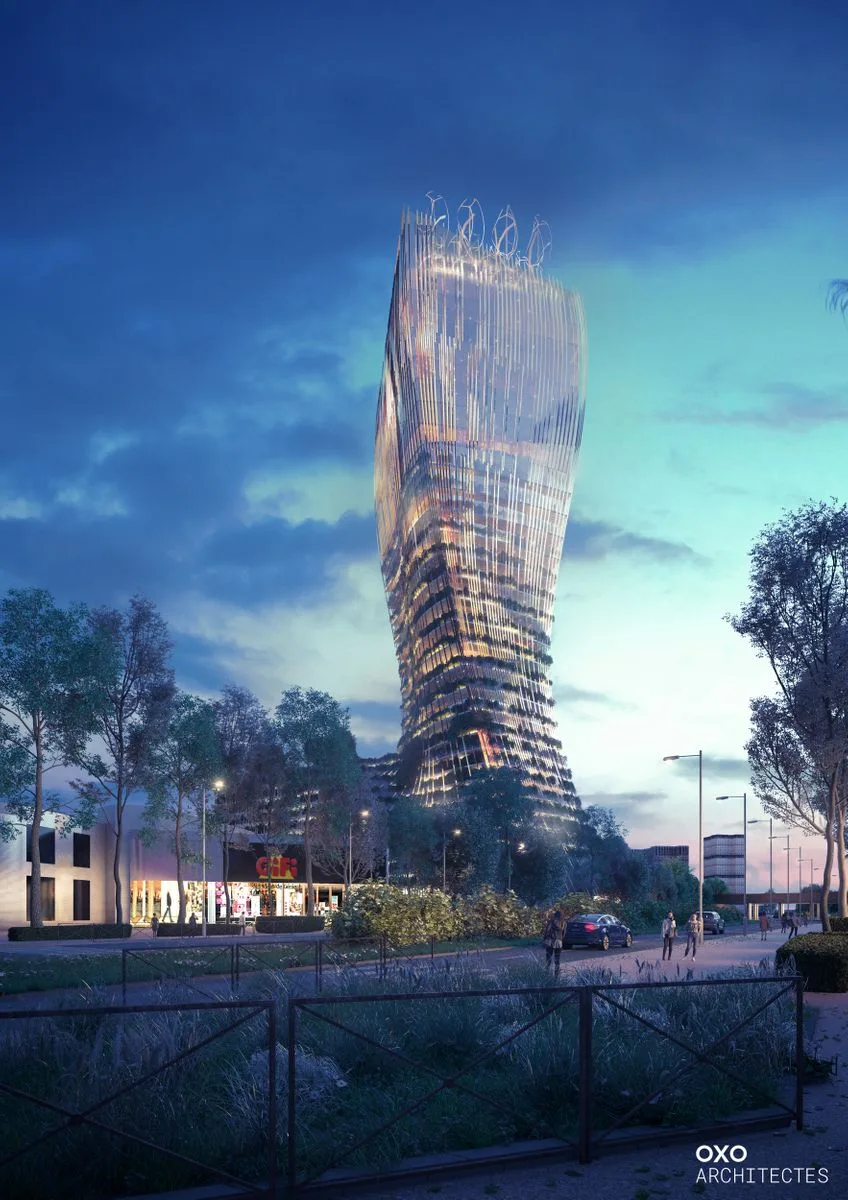
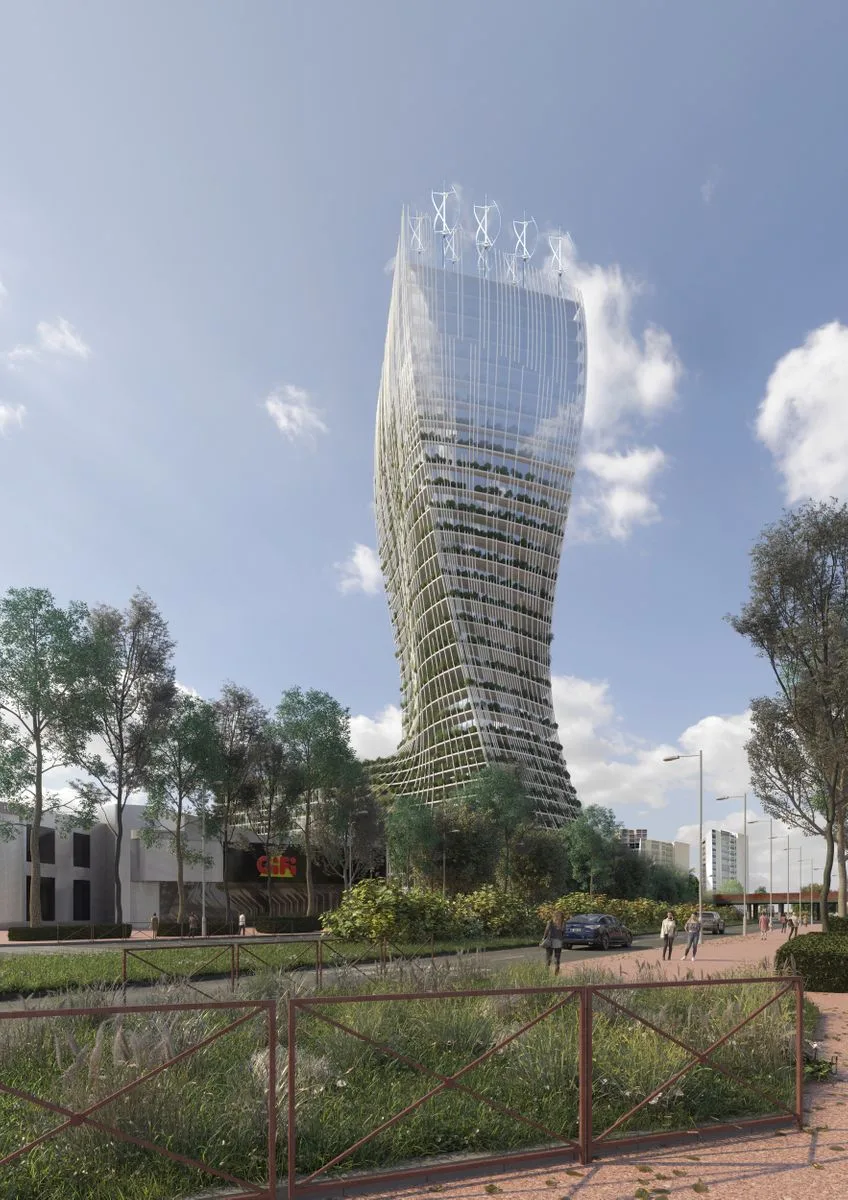
The Tage cinema studios complex intends to be both a symbol and a tool, not only in its future role in the international film industry, but also through its qualities as an architecture symbolic of its environment. The project is designed to embody the most important cinema studios in Europe, competitive with internationally recognized production studios. The studios will become a representative figure on a national and international scale, not only in the field of production, but also for cultural and tourist purposes.
# Cinema Studios
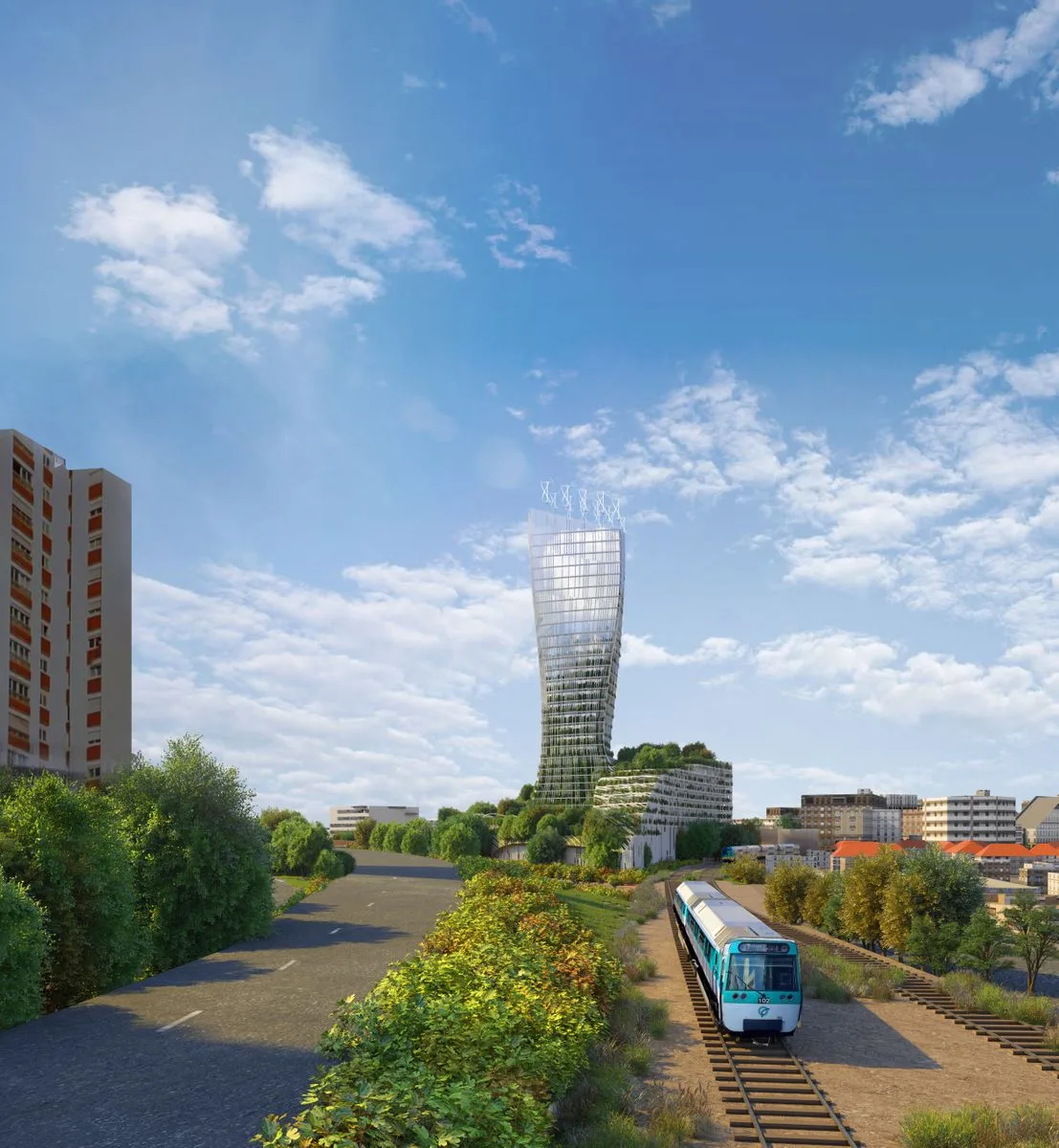
We imagined this cinema studio complex as an inhabited landscape, a territory where technical infrastructure meets cultural and urban ambition. The site, whose location we cannot reveal, presented an almost abstract flatness, a territory awaiting a structure capable of transforming it without crushing it. Our intention was not to place isolated volumes on this expanse, but to create a continuous spatial system, a cinema-city where audiovisual production coexists with hospitality, housing and cultural facilities. We sought to produce a place that is both symbol and production tool, capable of rivaling the major European studios while asserting its own identity, anchored in its maritime context.
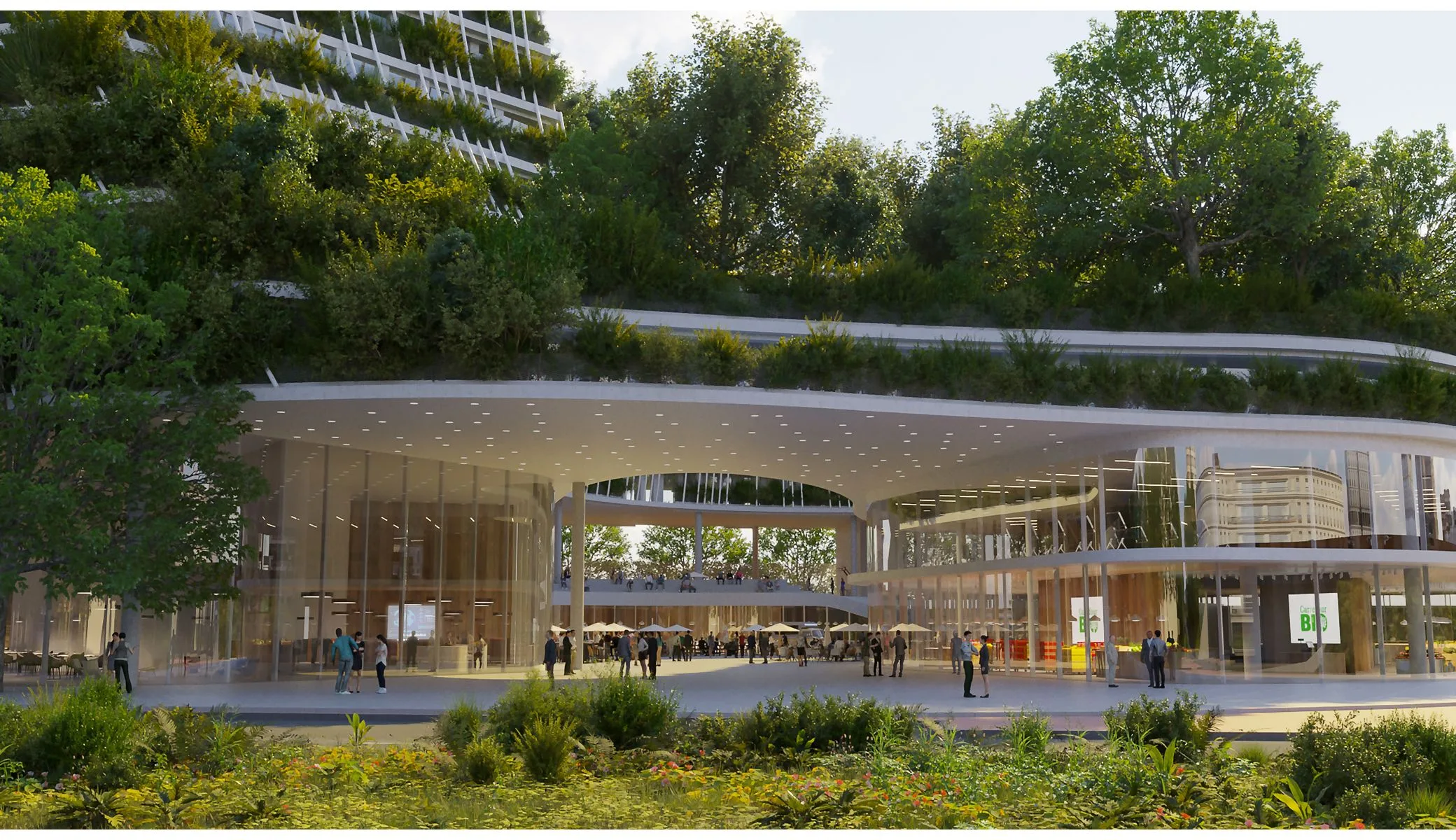
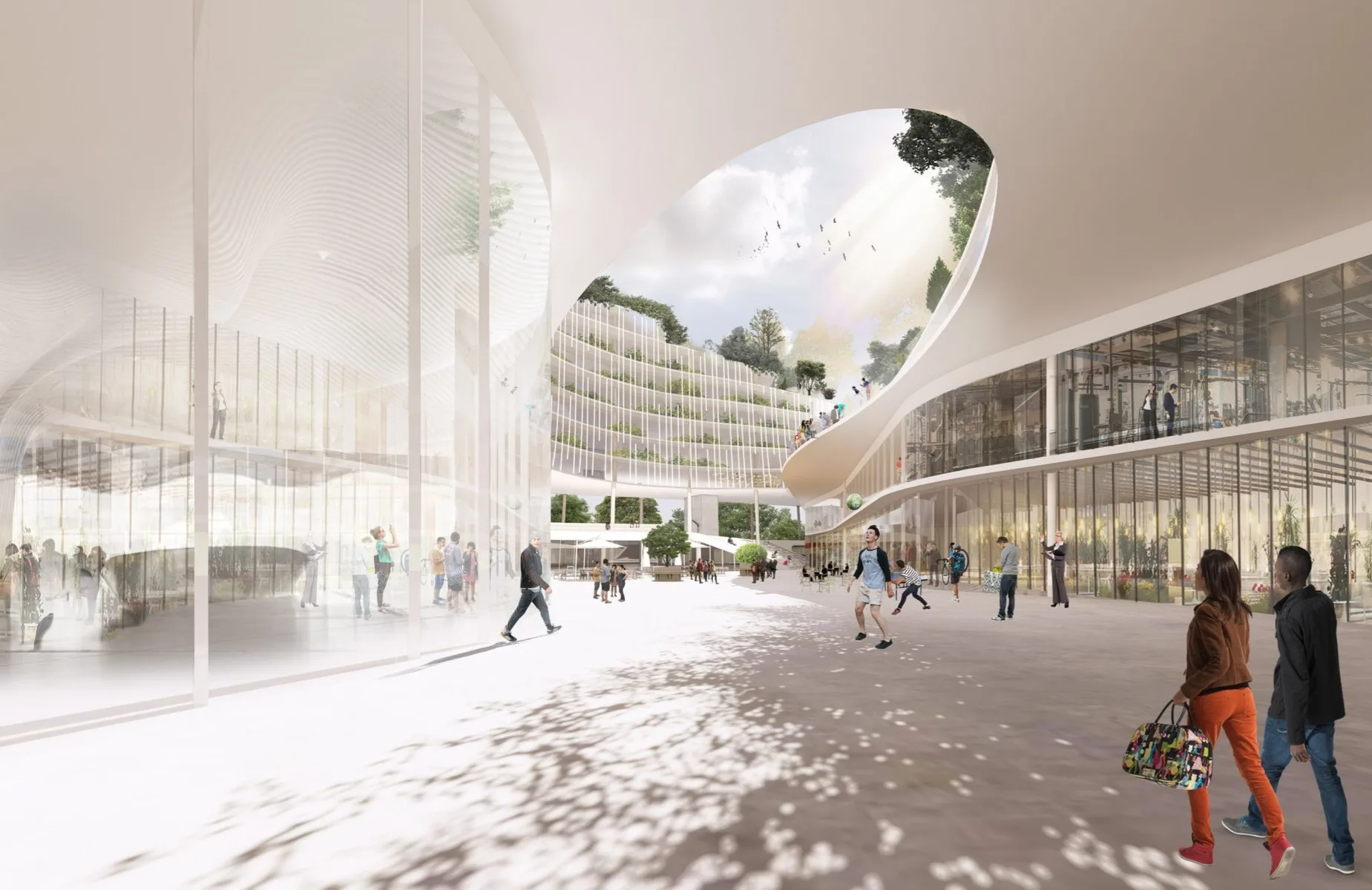
**The sail as generative principle.** The project reinterprets the vocabulary of sails that characterizes the surrounding coastline, not as decorative citation, but as structural and spatial principle. A single, light and continuous canopy covers the entire complex over nearly 300,000 m². This architectural membrane creates a suspended landscape that connects the various buildings (sound stages, hotel, housing, public spaces) while providing sheltered outdoor spaces usable year-round. The local climate, with its marked seasonal variations, made this generous covering essential. It allows sheltered movement between the different program entities, transforming circulation into inhabited promenades rather than simple functional connections.
We worked in close collaboration with AR.X Arquitectos on articulating this device. Together, we developed a lightweight structure in metal framework and textile membranes, capable of covering large spans without imposing an oppressive visual mass. The iconic aspect of this undulating covering radically modifies the perception of the site. Where a relief-less horizontality once reigned, an artificial topography now appears, a new geography that gives the complex its dynamic dimension and recognizable character.
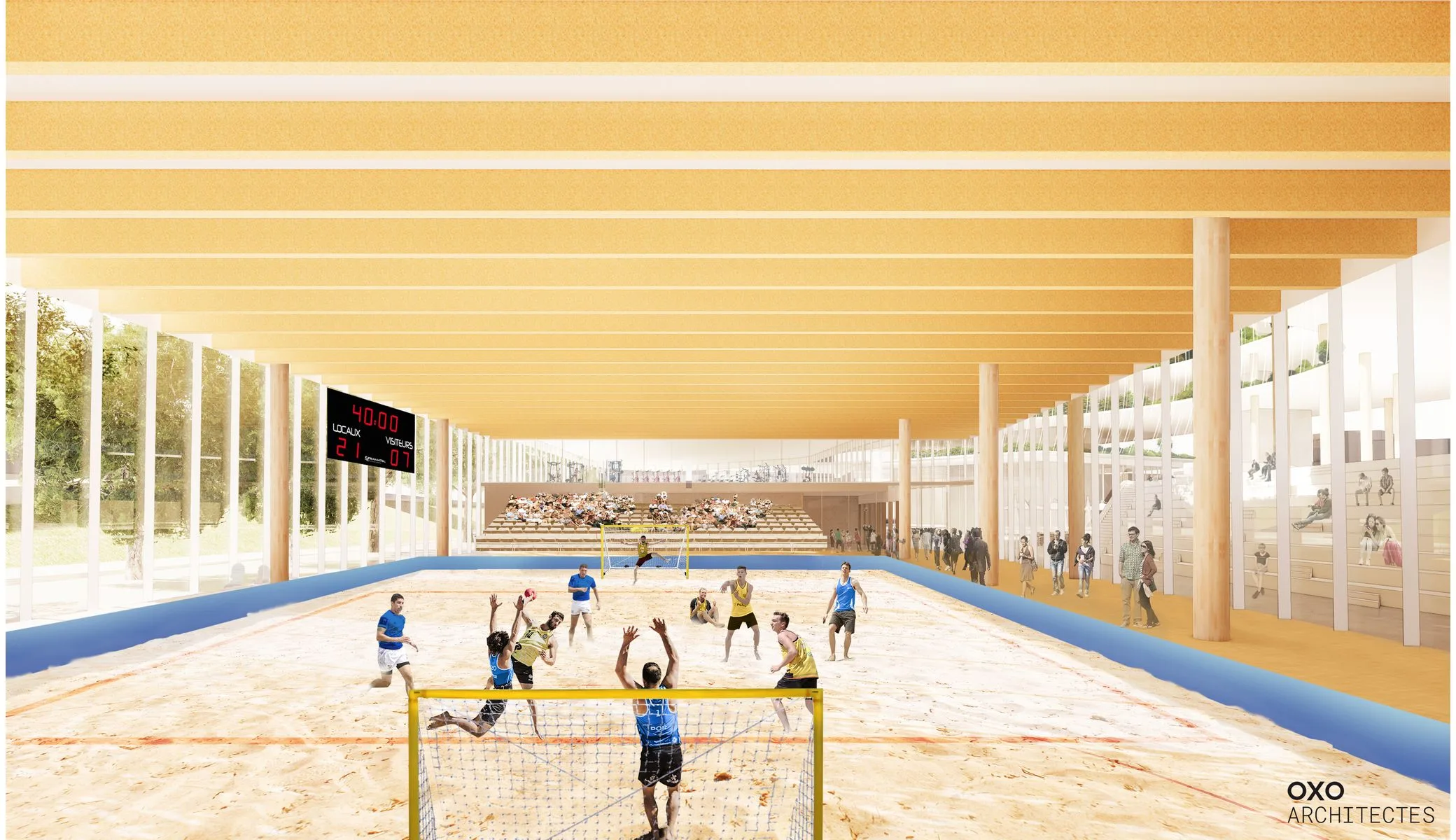
Under this canopy, a network of sound stages of different typologies and dimensions extends across the site. We conceived their arrangement like that of a university campus or contemporary industrial workshop: autonomous but connected volumes, capable of functioning independently while allowing fluid collaboration between teams. This organization promotes flexibility of use, essential in an industry in constant technical mutation. The studios can accommodate classic film productions as well as shoots in virtual environments, television recordings or digital creations. The spatial modularity responds to this programmatic diversity.
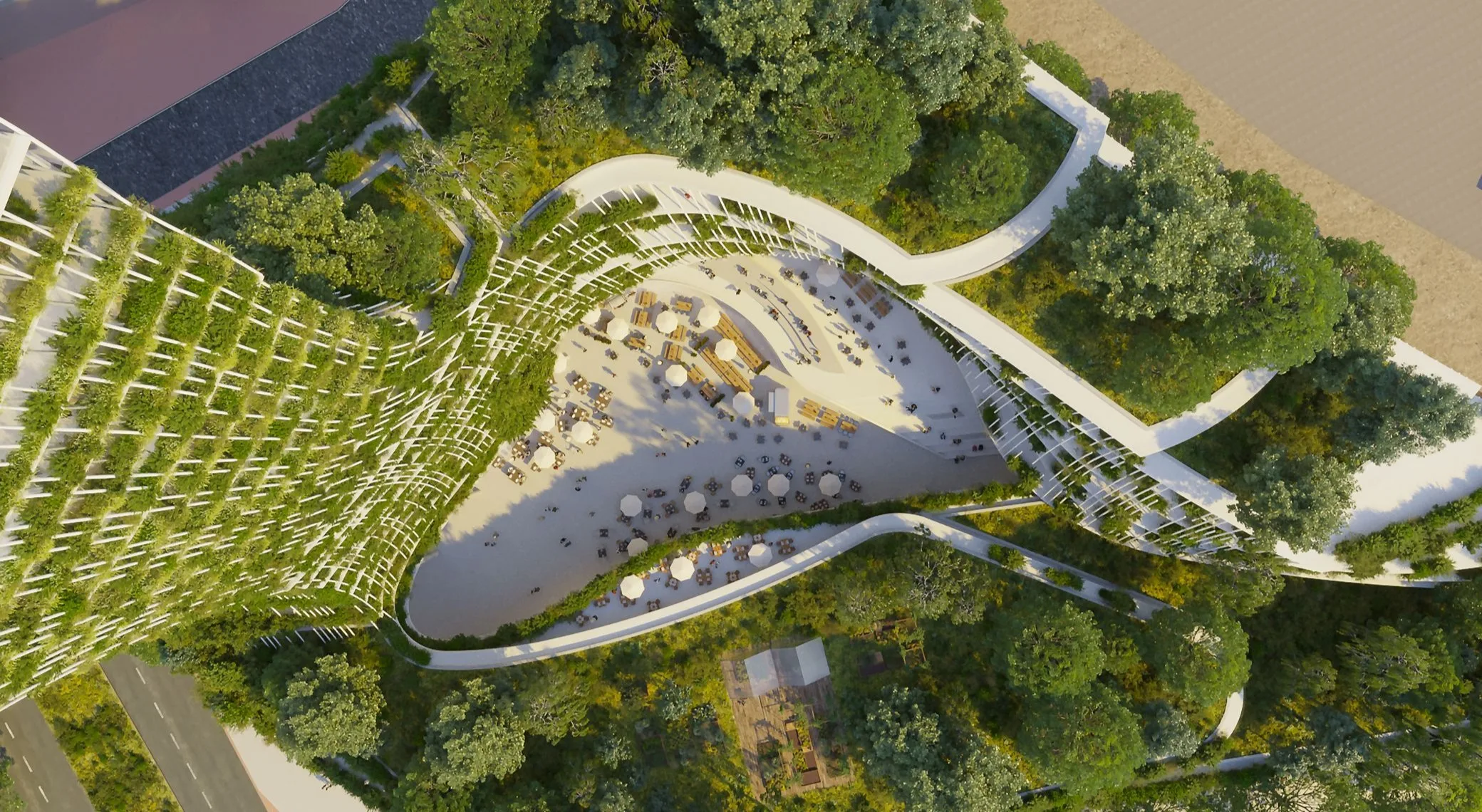
**Three bioclimatic strata.** Our environmental approach rests on the superposition of three complementary strata that generate a coherent bioclimatic ecosystem. The first stratum, the floating canopy, regulates sunlight and protects from precipitation while allowing natural ventilation through its calibrated openings. The second stratum, constituted by the buildings themselves, integrates passive devices (thermal inertia, reinforced insulation, cross ventilation) and high-performance technical systems. The third stratum, the landscape-ground, plays a crucial role in stormwater management, heat island mitigation and local biodiversity. We conceived the ground as a porous, planted surface, capable of absorbing and filtering runoff water.
This stratification allows for significant reduction of the complex's energy needs, particularly in air conditioning and heating. The outdoor spaces covered by the canopy benefit from a temperate microclimate, thus extending periods of comfortable use without systematic recourse to active systems. The landscape-ground, generously planted, contributes to thermal regulation through evapotranspiration and participates in establishing a biotope attractive to local fauna and flora. This approach translates our conviction that sustainability cannot be reduced to quantified energy performance, but must embrace a broader vision of **socio-ecological resilience**.
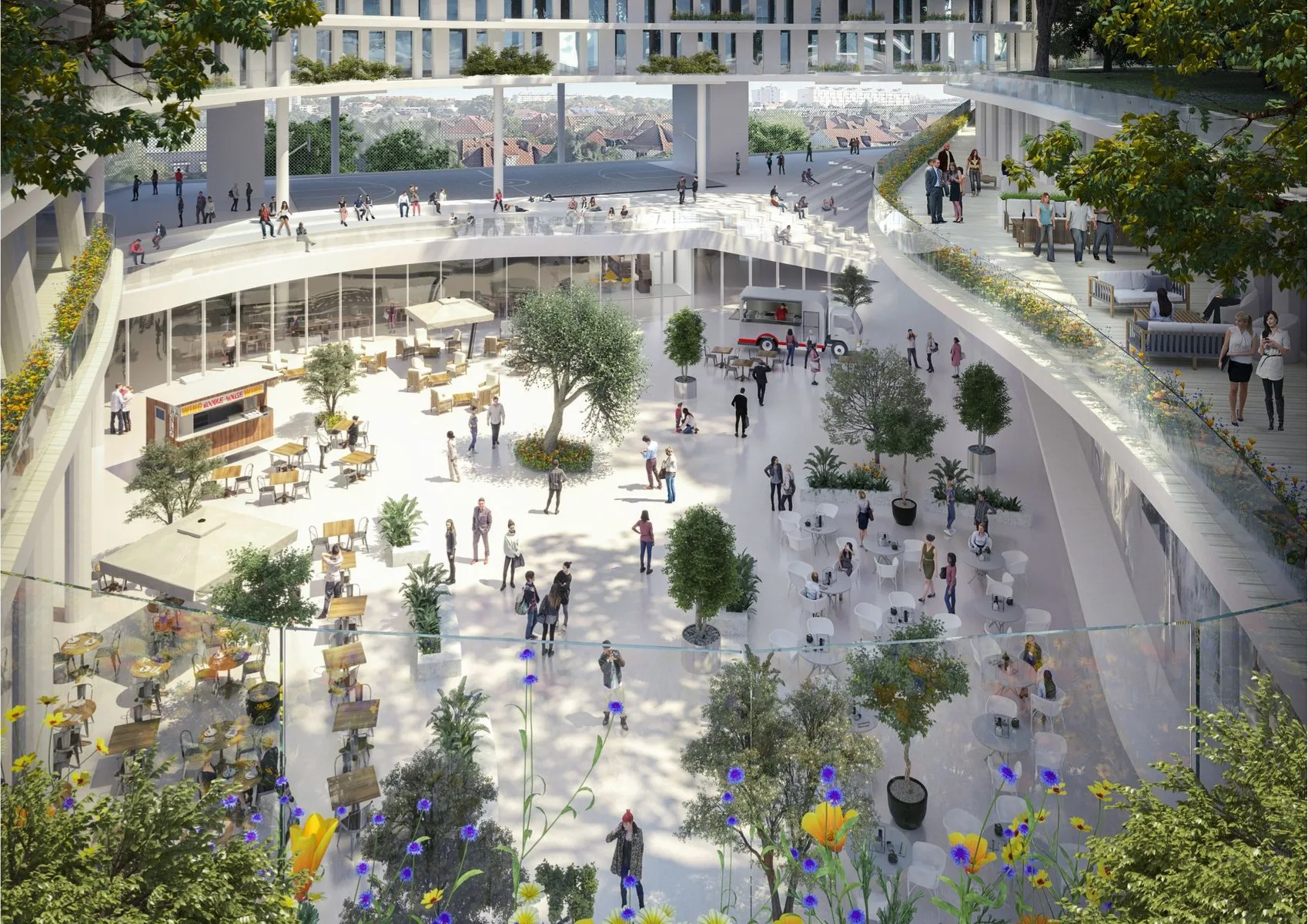
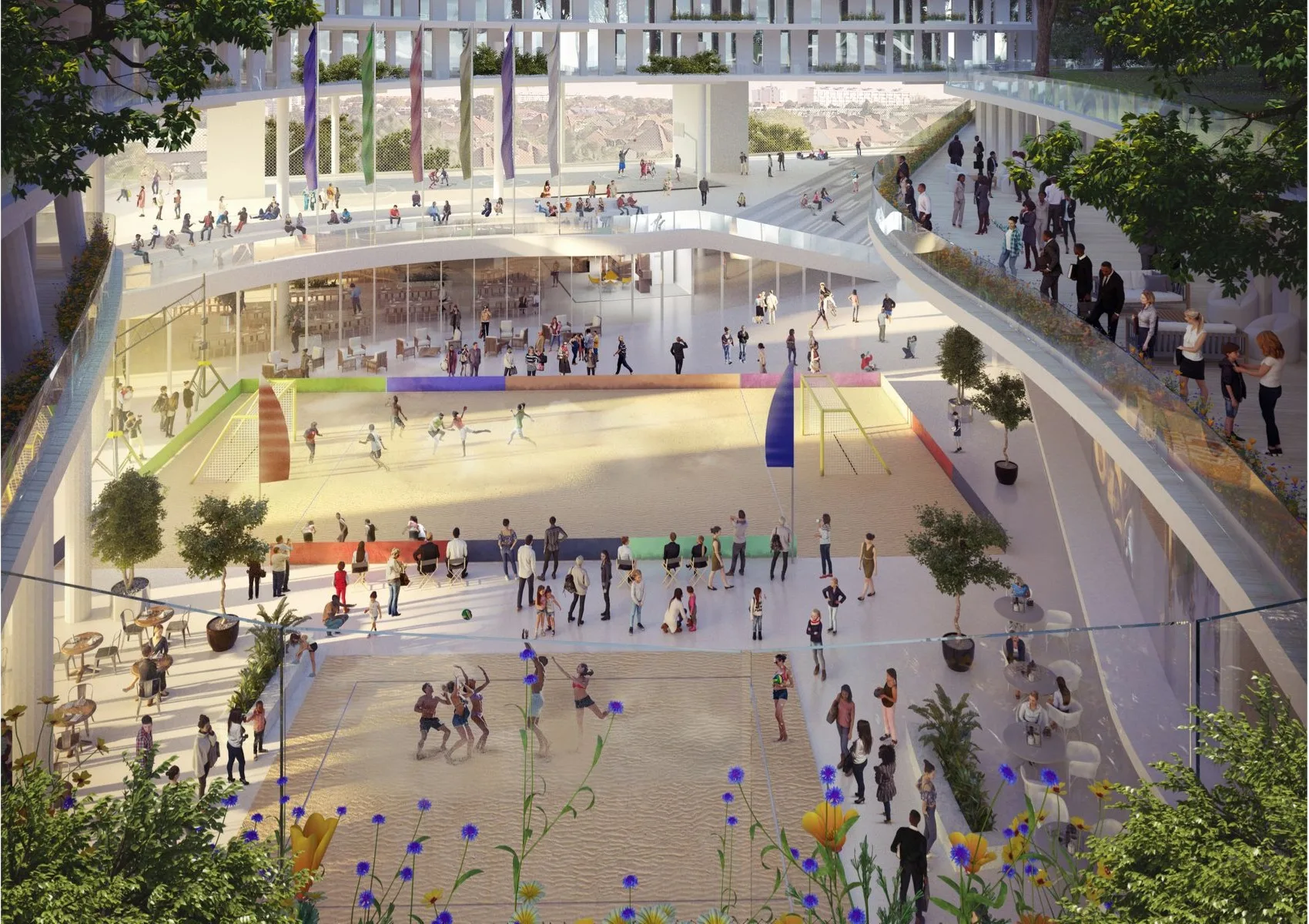
The ambition was to create an open campus, where film production mingles with collective life. Hotel, housing and public facilities are not confined to residual zones, but integrated into the overall composition. This functional mix transforms the complex into a compact mini-city, where each entity is active and connected to the others. Film professionals, temporary residents, cultural visitors and permanent inhabitants coexist in a shared spatial system. This social porosity seemed essential to us to avoid the pitfall of the mono-functional campus, closed in on itself, disconnected from its environment.
The project thus affirms a dual vocation: on one hand, to become a first-rate audiovisual production infrastructure, competitive on an international scale, capable of attracting major productions through the quality of its technical equipment and associated services. On the other hand, to constitute a cultural and tourist destination, a place where the general public can approach the world of cinema, discover its professions, participate in events. This hybrid ambition required an architecture capable of combining industrial efficiency and spatial generosity, technical performance and quality of use.
Although the project was not built, it continues to nourish our reflection on major contemporary cultural facilities. It allowed us to explore how a productive infrastructure can become a piece of habitable city, how a canopy can transform a flat territory into sensitive geography, how technique and landscape can articulate to produce a sustainable and desirable environment. This cinematographic campus remains for us a manifesto: that of an architecture capable of reconciling industry and ecology, performance and poetry.
We imagined this cinema studio complex as an inhabited landscape, a territory where technical infrastructure meets cultural and urban ambition. The site, whose location we cannot reveal, presented an almost abstract flatness, a territory awaiting a structure capable of transforming it without crushing it. Our intention was not to place isolated volumes on this expanse, but to create a continuous spatial system, a cinema-city where audiovisual production coexists with hospitality, housing and cultural facilities. We sought to produce a place that is both symbol and production tool, capable of rivaling the major European studios while asserting its own identity, anchored in its maritime context.
**The sail as generative principle.** The project reinterprets the vocabulary of sails that characterizes the surrounding coastline, not as decorative citation, but as structural and spatial principle. A single, light and continuous canopy covers the entire complex over nearly 300,000 m². This architectural membrane creates a suspended landscape that connects the various buildings (sound stages, hotel, housing, public spaces) while providing sheltered outdoor spaces usable year-round. The local climate, with its marked seasonal variations, made this generous covering essential. It allows sheltered movement between the different program entities, transforming circulation into inhabited promenades rather than simple functional connections.
We worked in close collaboration with AR.X Arquitectos on articulating this device. Together, we developed a lightweight structure in metal framework and textile membranes, capable of covering large spans without imposing an oppressive visual mass. The iconic aspect of this undulating covering radically modifies the perception of the site. Where a relief-less horizontality once reigned, an artificial topography now appears, a new geography that gives the complex its dynamic dimension and recognizable character.
Under this canopy, a network of sound stages of different typologies and dimensions extends across the site. We conceived their arrangement like that of a university campus or contemporary industrial workshop: autonomous but connected volumes, capable of functioning independently while allowing fluid collaboration between teams. This organization promotes flexibility of use, essential in an industry in constant technical mutation. The studios can accommodate classic film productions as well as shoots in virtual environments, television recordings or digital creations. The spatial modularity responds to this programmatic diversity.
**Three bioclimatic strata.** Our environmental approach rests on the superposition of three complementary strata that generate a coherent bioclimatic ecosystem. The first stratum, the floating canopy, regulates sunlight and protects from precipitation while allowing natural ventilation through its calibrated openings. The second stratum, constituted by the buildings themselves, integrates passive devices (thermal inertia, reinforced insulation, cross ventilation) and high-performance technical systems. The third stratum, the landscape-ground, plays a crucial role in stormwater management, heat island mitigation and local biodiversity. We conceived the ground as a porous, planted surface, capable of absorbing and filtering runoff water.
This stratification allows for significant reduction of the complex's energy needs, particularly in air conditioning and heating. The outdoor spaces covered by the canopy benefit from a temperate microclimate, thus extending periods of comfortable use without systematic recourse to active systems. The landscape-ground, generously planted, contributes to thermal regulation through evapotranspiration and participates in establishing a biotope attractive to local fauna and flora. This approach translates our conviction that sustainability cannot be reduced to quantified energy performance, but must embrace a broader vision of **socio-ecological resilience**.
The ambition was to create an open campus, where film production mingles with collective life. Hotel, housing and public facilities are not confined to residual zones, but integrated into the overall composition. This functional mix transforms the complex into a compact mini-city, where each entity is active and connected to the others. Film professionals, temporary residents, cultural visitors and permanent inhabitants coexist in a shared spatial system. This social porosity seemed essential to us to avoid the pitfall of the mono-functional campus, closed in on itself, disconnected from its environment.
The project thus affirms a dual vocation: on one hand, to become a first-rate audiovisual production infrastructure, competitive on an international scale, capable of attracting major productions through the quality of its technical equipment and associated services. On the other hand, to constitute a cultural and tourist destination, a place where the general public can approach the world of cinema, discover its professions, participate in events. This hybrid ambition required an architecture capable of combining industrial efficiency and spatial generosity, technical performance and quality of use.
Although the project was not built, it continues to nourish our reflection on major contemporary cultural facilities. It allowed us to explore how a productive infrastructure can become a piece of habitable city, how a canopy can transform a flat territory into sensitive geography, how technique and landscape can articulate to produce a sustainable and desirable environment. This cinematographic campus remains for us a manifesto: that of an architecture capable of reconciling industry and ecology, performance and poetry.
- Lieu
- Créteil
- Nature
- Mixte
- Surface
- 50 000 m2
- Budget
- NC
- Concours
- 2019
- MOA
- B&C FRANCE